Cooking from a CSA, Part 10: Sometimes, it’s not exciting

So, what have I been up to? Running. Lots and lots of running. I’ve been training for a marathon for months and the last few weeks have translated to a lot of running and very little of anything else. But the big day is this Sunday, and then I’ll catch you up on what I’ve been doing–because I did squeeze a few fun projects in.

I’ve also been struggling with the CSA the past month or so. It’s been a hard year for the farm, and I completely sympathize with that. We had a hot dry summer, and they lost some crops. That’s part of the gamble you take when you join a CSA. At the same time, though, it’s hugely disappointing to have the amount of food you are getting in each batch drop off at the same time you are switching to a half share.

See, in the spring, I was getting vegetables every week. Almost more vegetables than I could reasonably eat. My grocery bill fell significantly because I was getting big deliveries of produce with a lot of variety every week. But when the summer share started, and I switched to half share–or every other week delivery–the amount of food I received each week also fell. I also stopped getting combinations of vegetables that were easily converted into well-rounded meals. So I’ve had to go to the grocery store to buy stuff to round it out, which is really disappointing when I’m pay so much money per month for veggies.
That’s not to say that I’m not happy with what I’m getting, just that I was expecting a little more–more tomatoes, for instance. Or zucchini. Or eggplant. But I’ve actually gotten more tomatoes from my mom this year.

We’ve definitely made the switch over to fall here in Milwaukee, and I’ve been taking advantage of the cooler weather and roasting most of my vegetables. This week I made a nice, almost stew-like batch of roasted veggies with potatoes, onions, cauliflower, turnips,  and carrots. I sprinkled a spice mix (Forward from Penzey’s, a paprika-based blend), salt, pepper and little bit of honey on top and baked for about an hour. That’s the type of simple meal I’ve enjoyed. Not too exciting, but a great way to get a hearty meal out of a random mix of vegetables (note: I bought the potatoes and onion at the store to round out the veggie mixture).

Hopefully as the season winds to a close and I started getting fall squashes, I’ll feel more inspired.
How (not) to: Repainting Furniture

NOTE: Please go read basically anyone else’s blog. We are not exactly success stories here. There will be no instructions, just some process shots. And possibly advice about how not redo a piece of furniture.

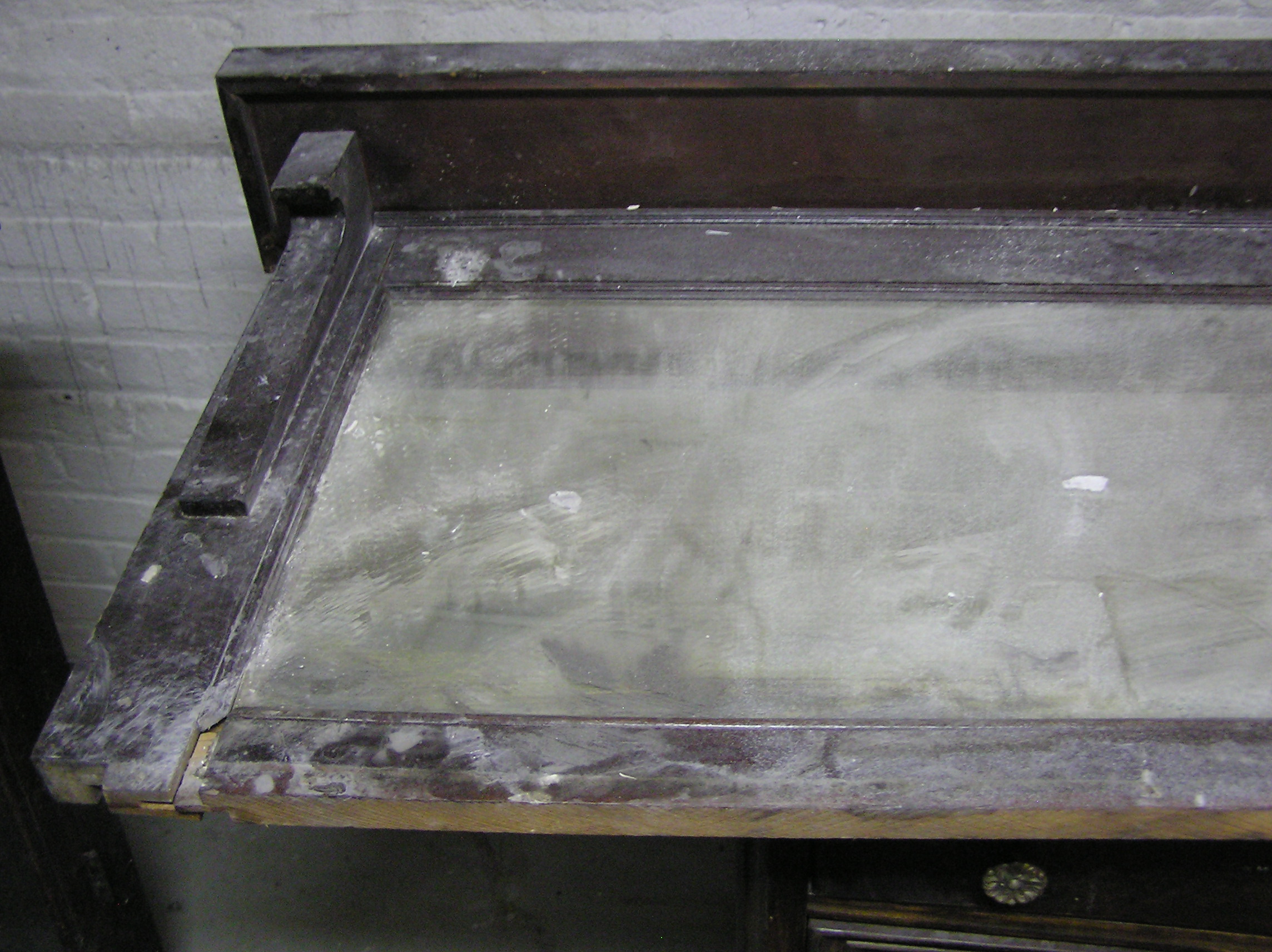
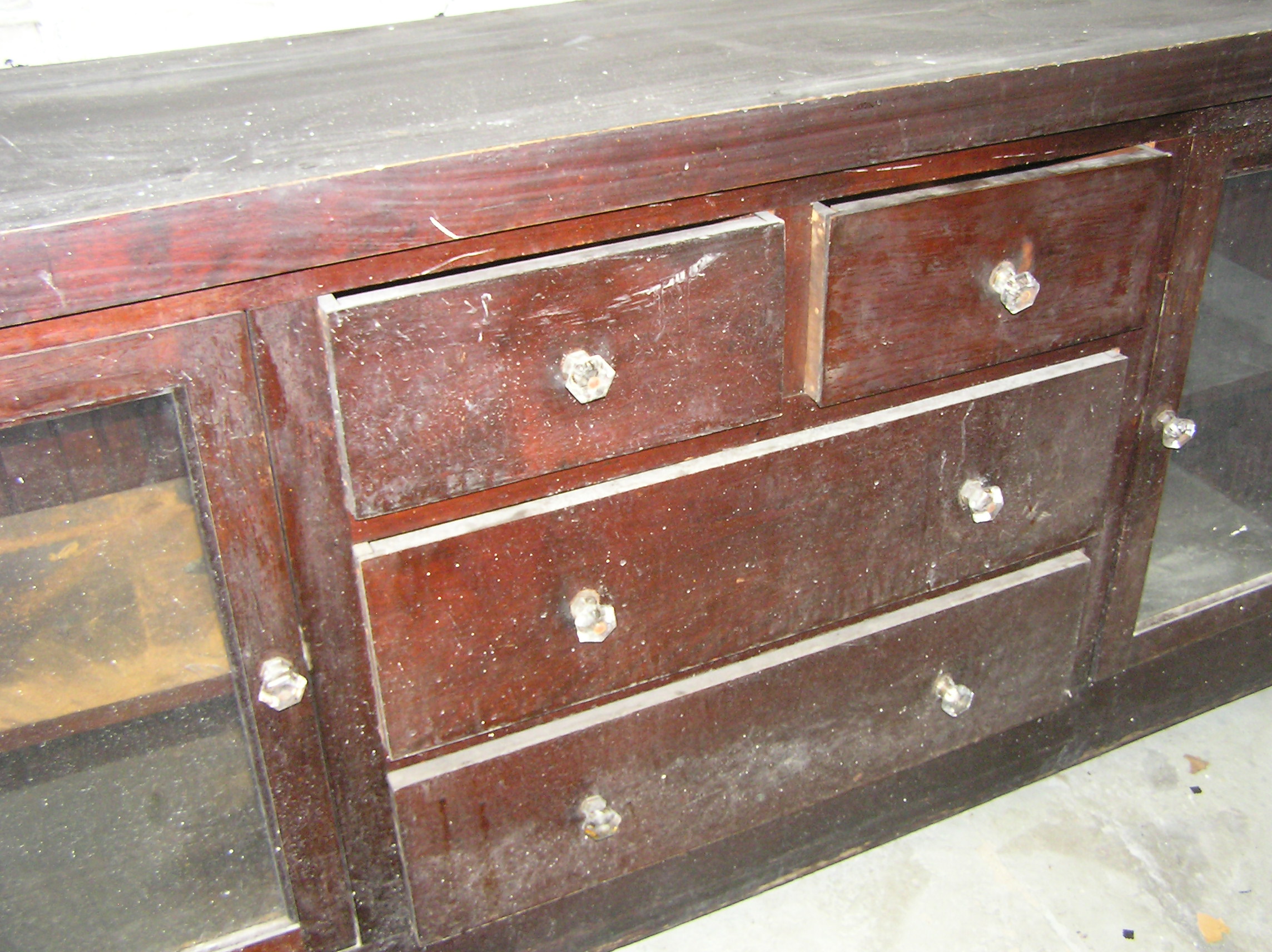
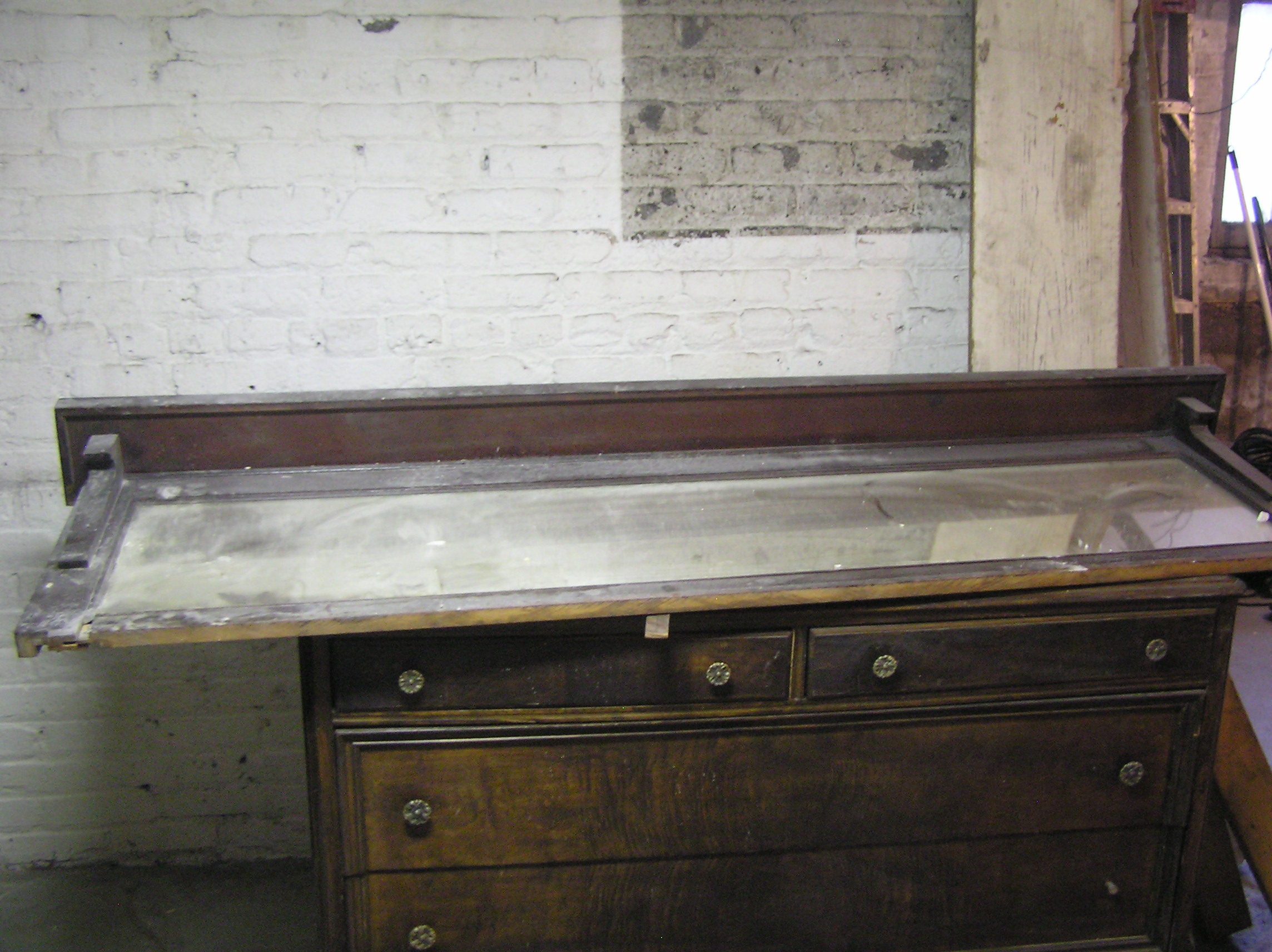
It started when I found this awesome piece in my basement. Every unit in my building I think used to have one in the dining room; some still do. I didn’t, and I thought they were awesome. I asked for permission and everyone was ok with me taking this last one in decent shape (there are two others, but they have both been used as workbenches and really aren’t salvageable).

I wanted to restain it, but closer inspection showed that would be pretty tough. I would have to sand and strip it all the way down, which would take ages. Painting it, by contrast, would take a day. Sold.

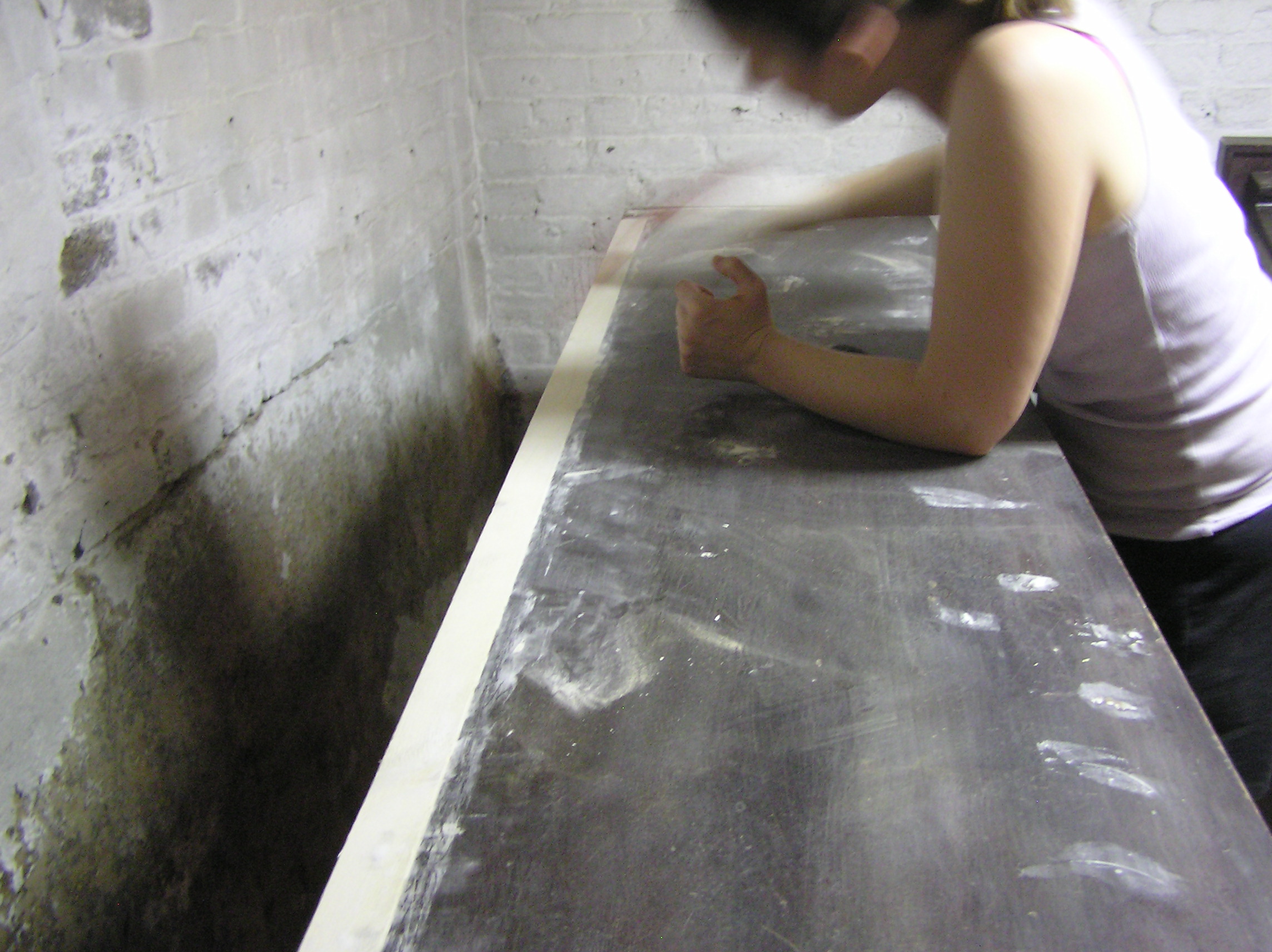
So we bought supplies (all those people who say you need to use a dense foam roller? Geniuses.)  and got down to it.  We didn’t want an obvious color, and I thought a nice navy would coordinate well with my curtains and not be too in-your-face in the room. We sanded. We cleaned. This isn’t a detailed piece, which made both sanding and painting a lot easier.

There is a mirror that is supposed to be attached to the back (it was attached by a single ruler when I found it), but sadly it just wasn’t in good enough shape.

We did need to patch the gap the mirror is supposed to slot into, and got lucky with a furring strip in the dimensions that we needed.

Then we sanded some more, primed, and got on a few coats of paint. And….

Two coats in, we could tell it was NOT what we wanted. Good= a really deep dark blue (almost black, really rich). Bad= Americana blue (too gray, too pale, not deep or dark).

(Not) ta-da!

Fail.

I called up my paint color guru/friend’s husband, and after a good search we decided having the original paint retinted (to up the blue and the dark) was likely to get me close, and either way I was out a quart of paint I didn’t like. Worth a shot.

It worked.

It doesn’t clash now. Still wish it was a touch darker, but it’ll work!

Stay tuned for the full room!

(Not Yet a) Better Bathroom

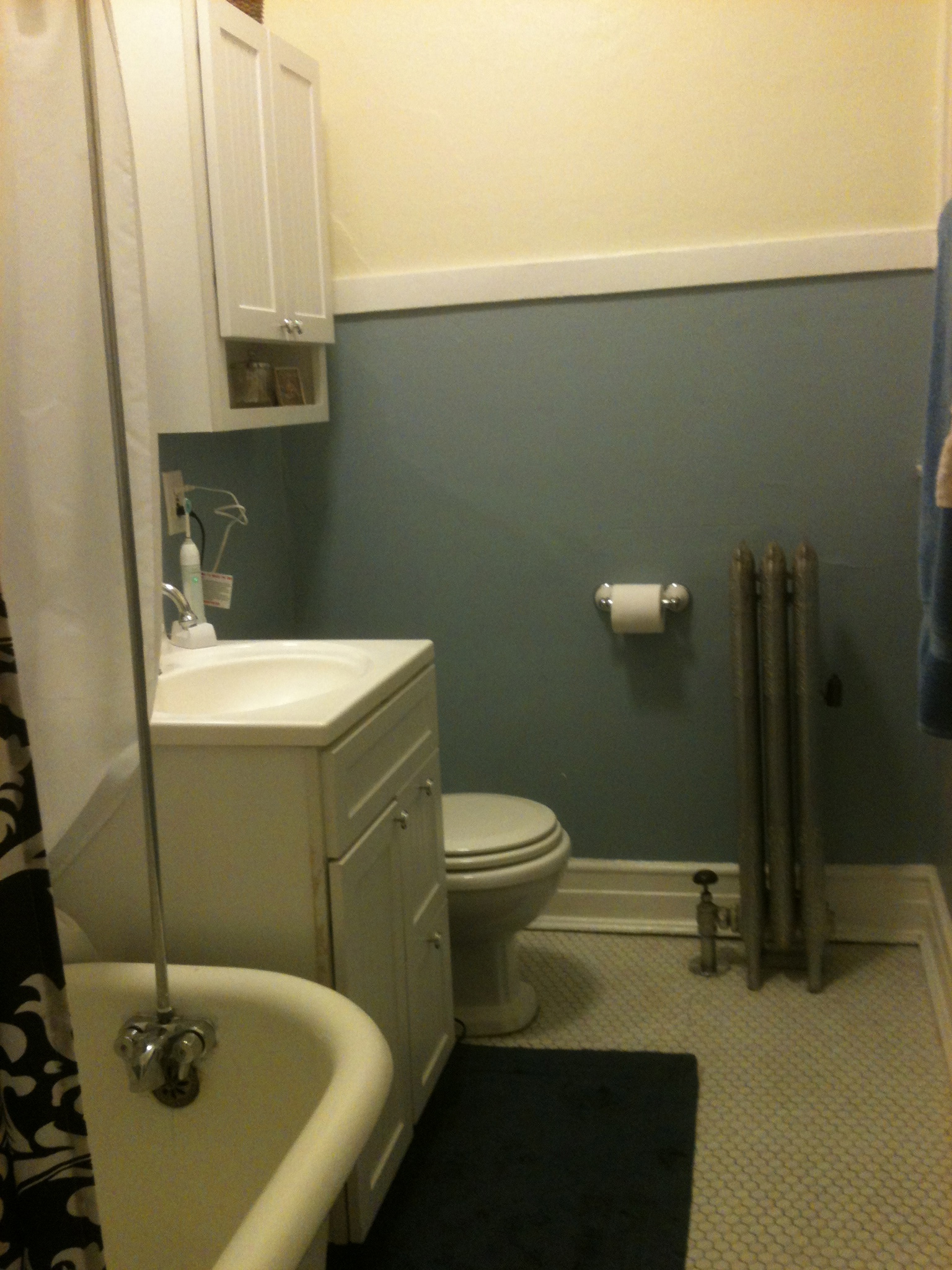
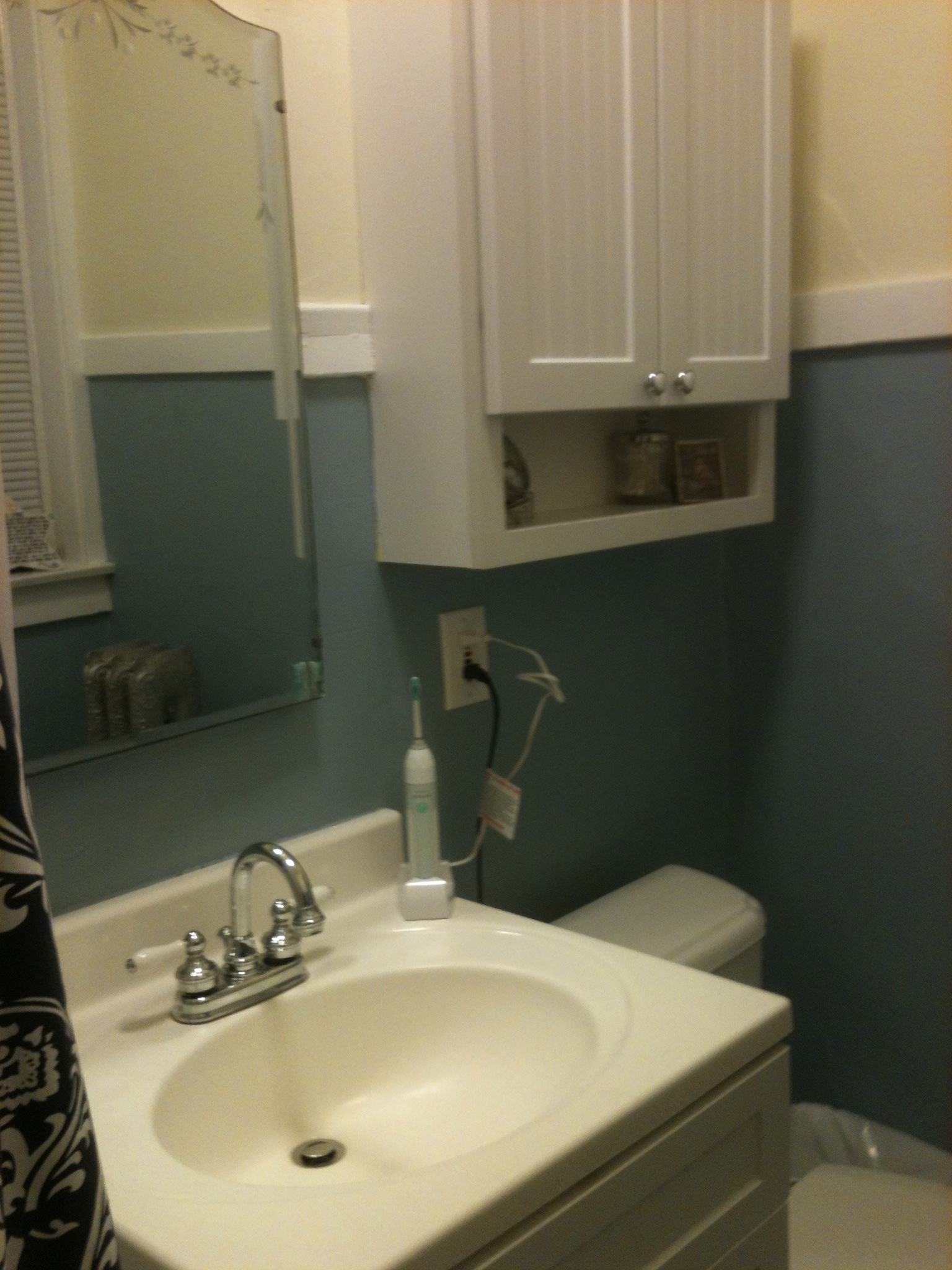
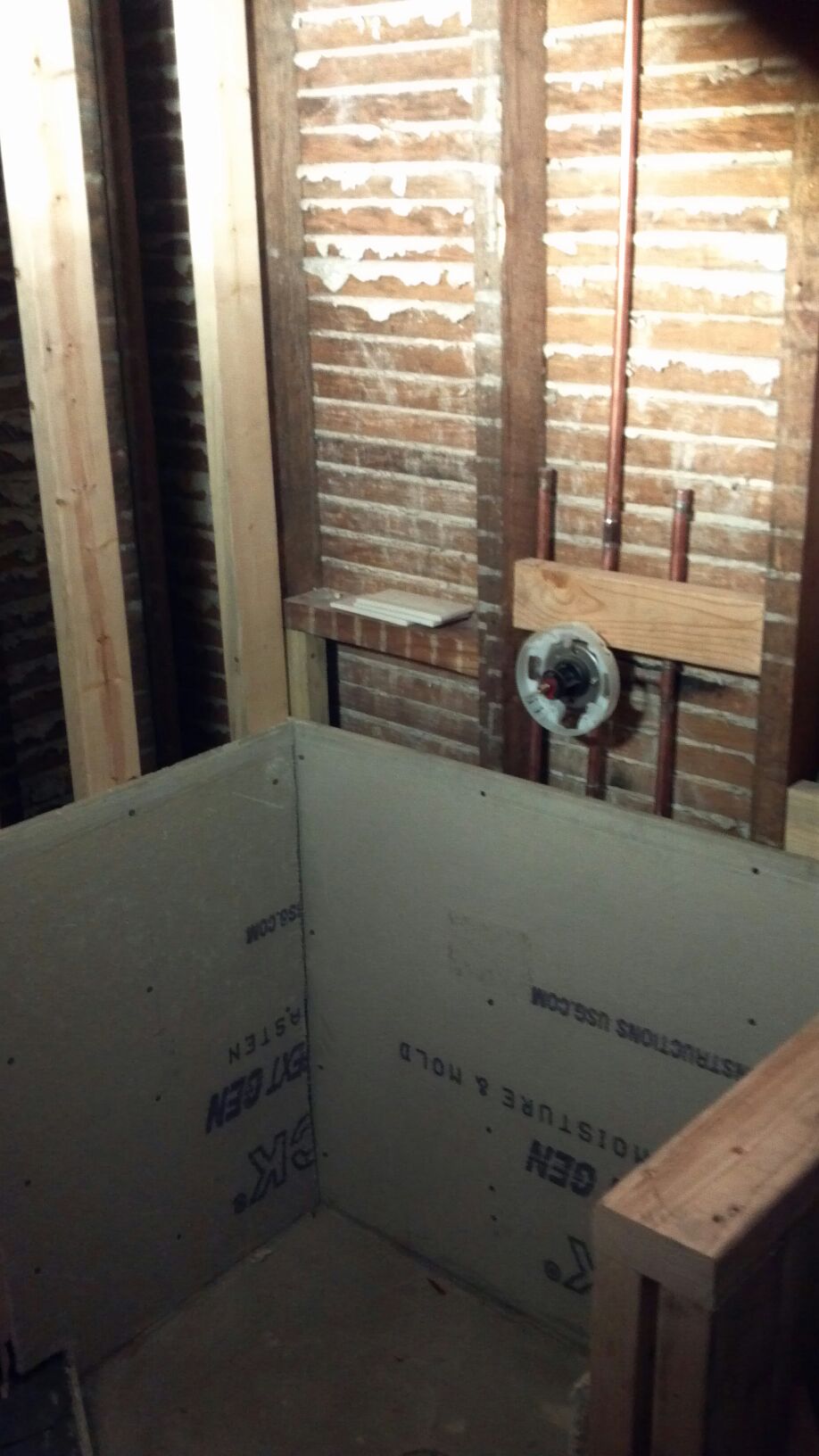
Two weeks ago, my bathroom looked like this:

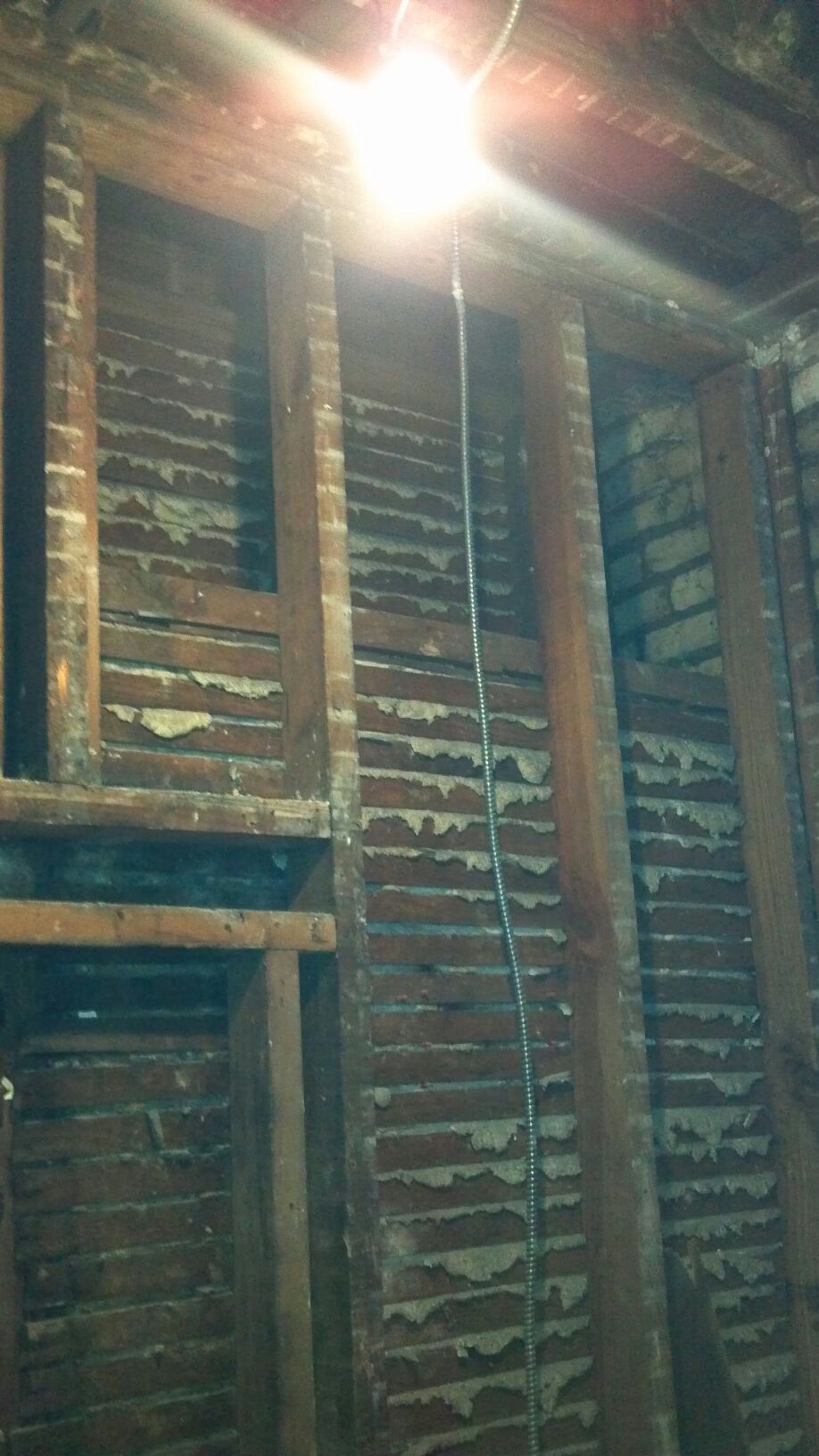
And then we started, and it looked like this (I can’t find the full set of pictures, just this one the contractor texted me*. But it all looked like this):

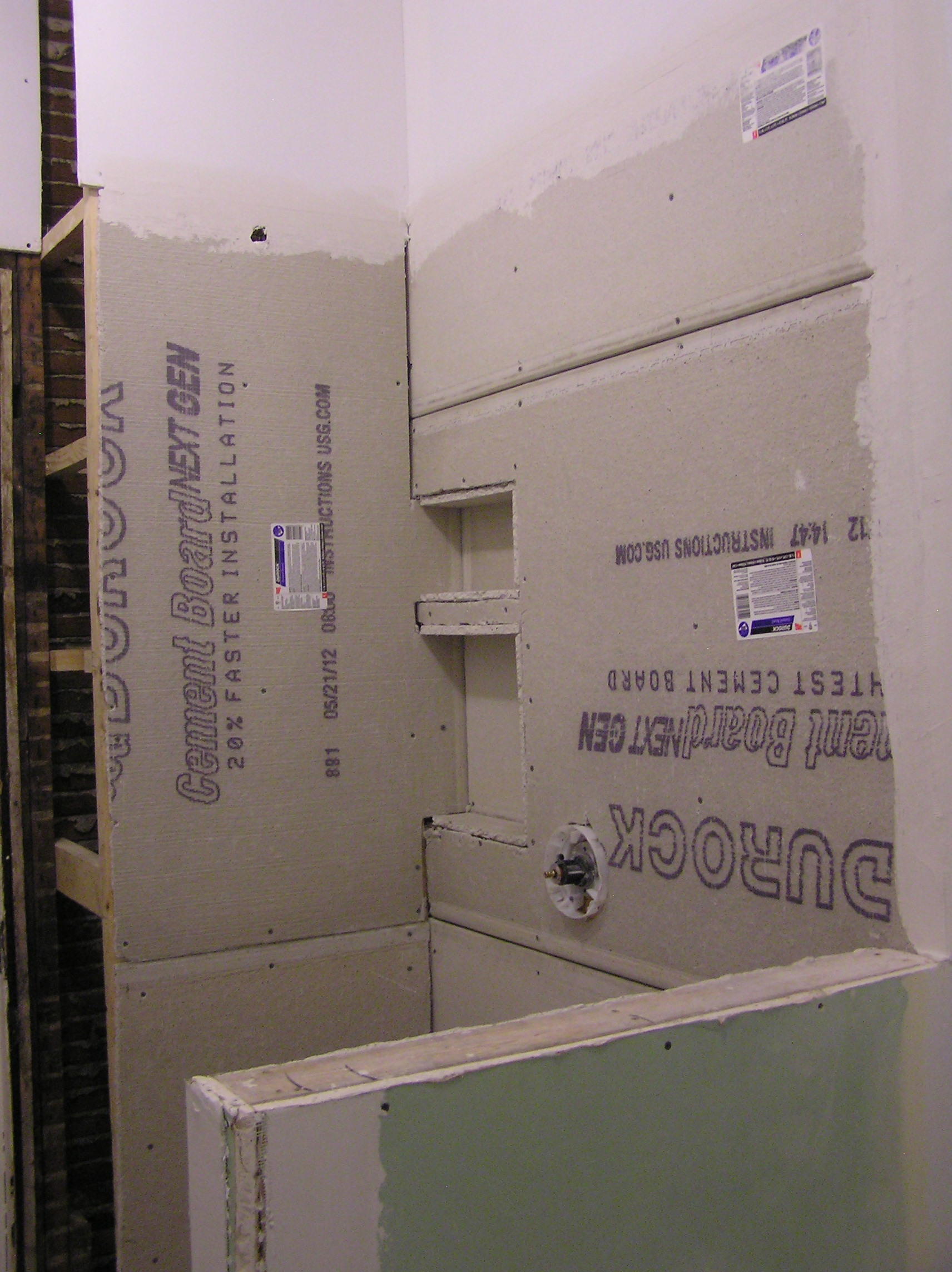
While I was gone, they made some (ahem, not enough) progress (this is the shower, where the tub used to be):

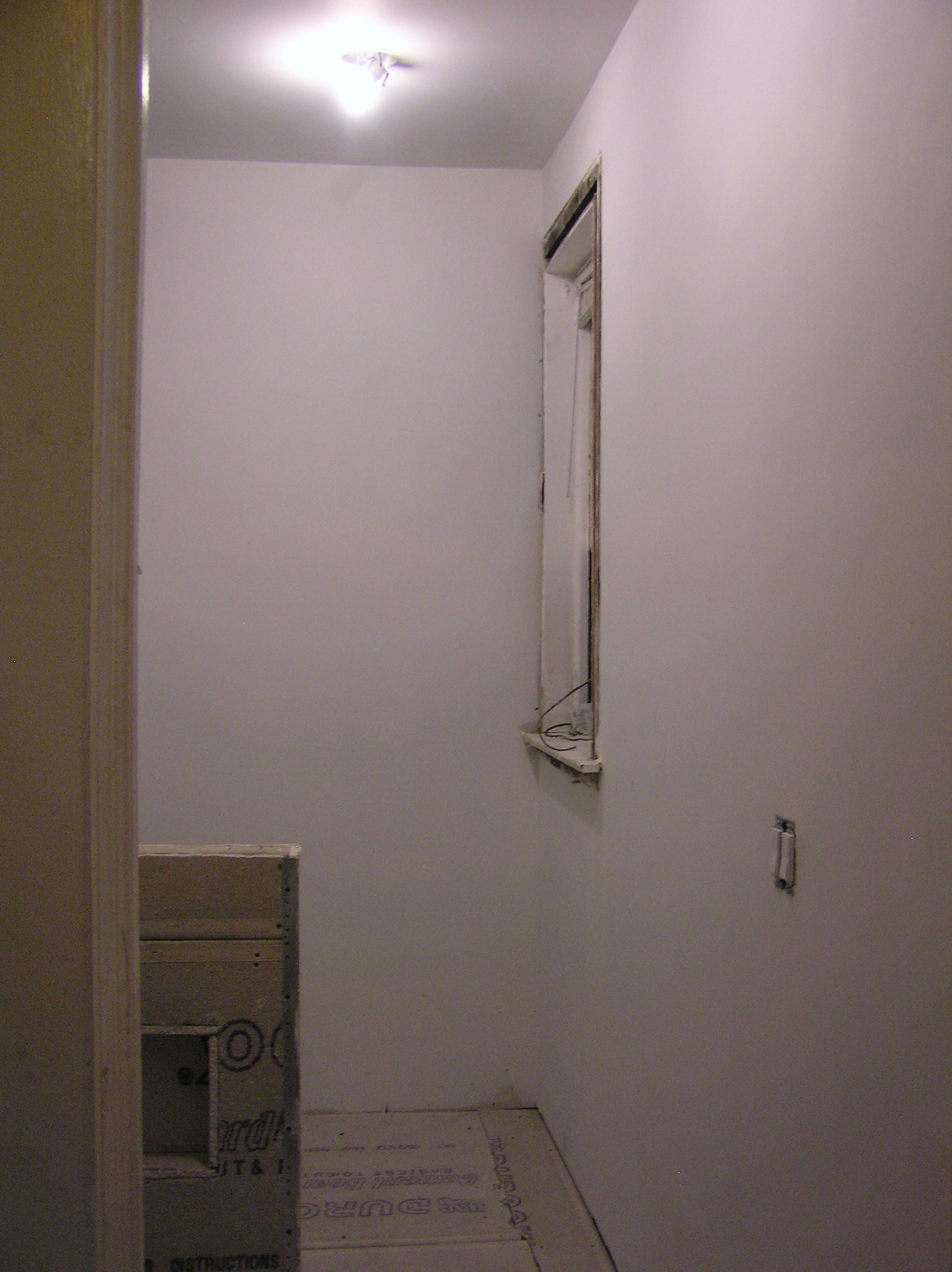
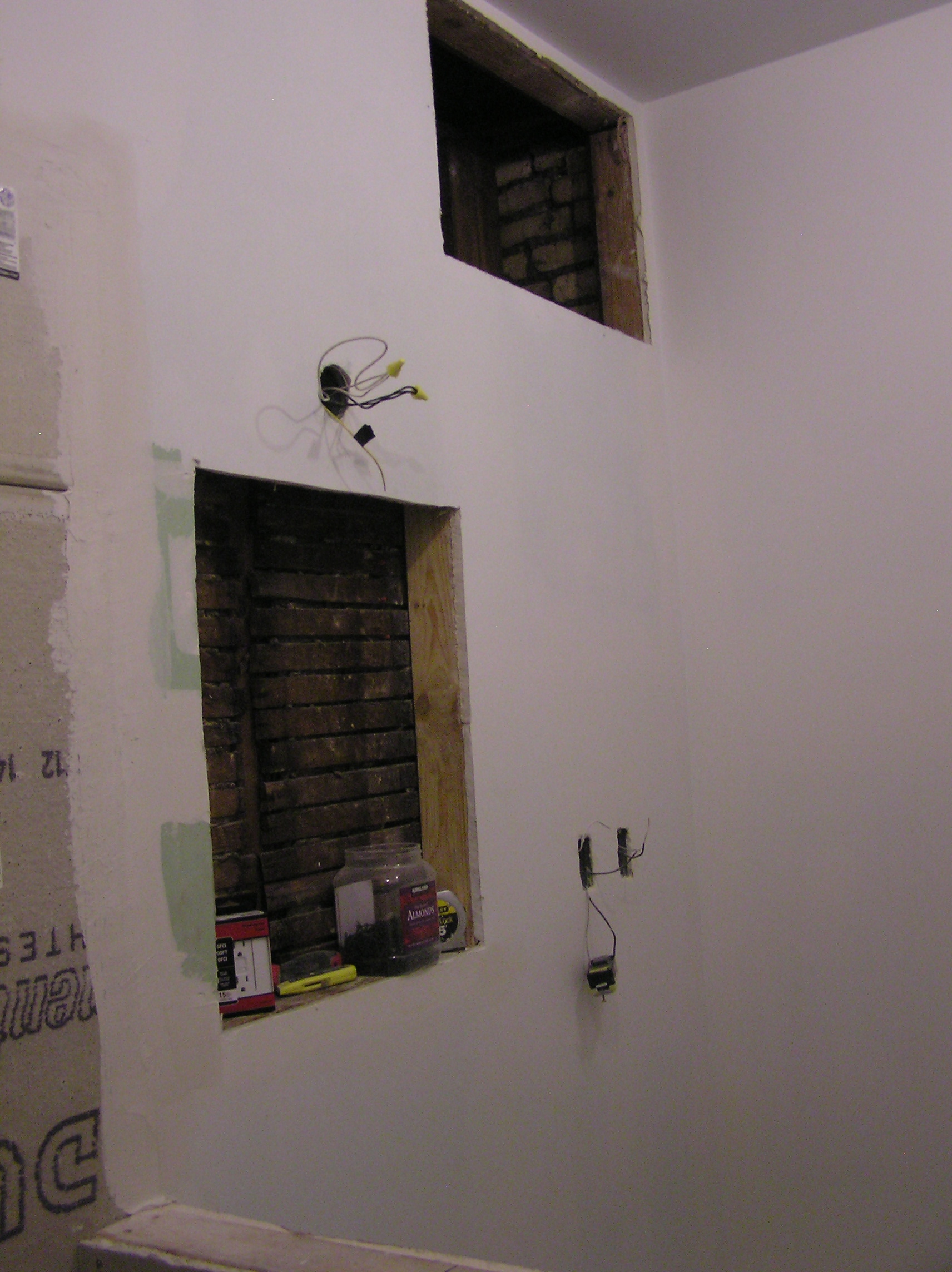
And now it looks like this:

Things you see:

  • Walls!
  • New recessed lights (a last minute decision)
  • Partial wall for shower
  • Wiring for new vanity light and heated floor
  • The space for the medicine cabinet
  • That hole above the medicine cabinet (in the last picture)? There’s random empty space in the wall about 7 feet up, above the top of the coat closet on the other side of the wall. Its going to be a bonus cabinet. Stay tuned!

Things you don’t see:

  • A floor
  • Tile
  • A TOILET

You are smart enough to determine everything else you aren’t seeing here. Things you also aren’t seeing?

Me.

Because that’s my only bathroom and it doesn’t have any bath-related capabilities. (You know how everyone says these things take twice as long? Totally right. I might be able to go home Thursday.)

Have you done any major renovations? How long did they take? Can normal people live without a toilet?!

Knotted Ribbon Necklace

So, around the time I made this, I made another necklace with these gorgeous peachy/aqua faceted gemstones on a thin silk cord. But after a year, the necklace was fraying and stretching and I needed to redo it. I’ve always wanted one of those pretty ribbon necklaces that tie with a bow, so I decided to that approach for the redo.

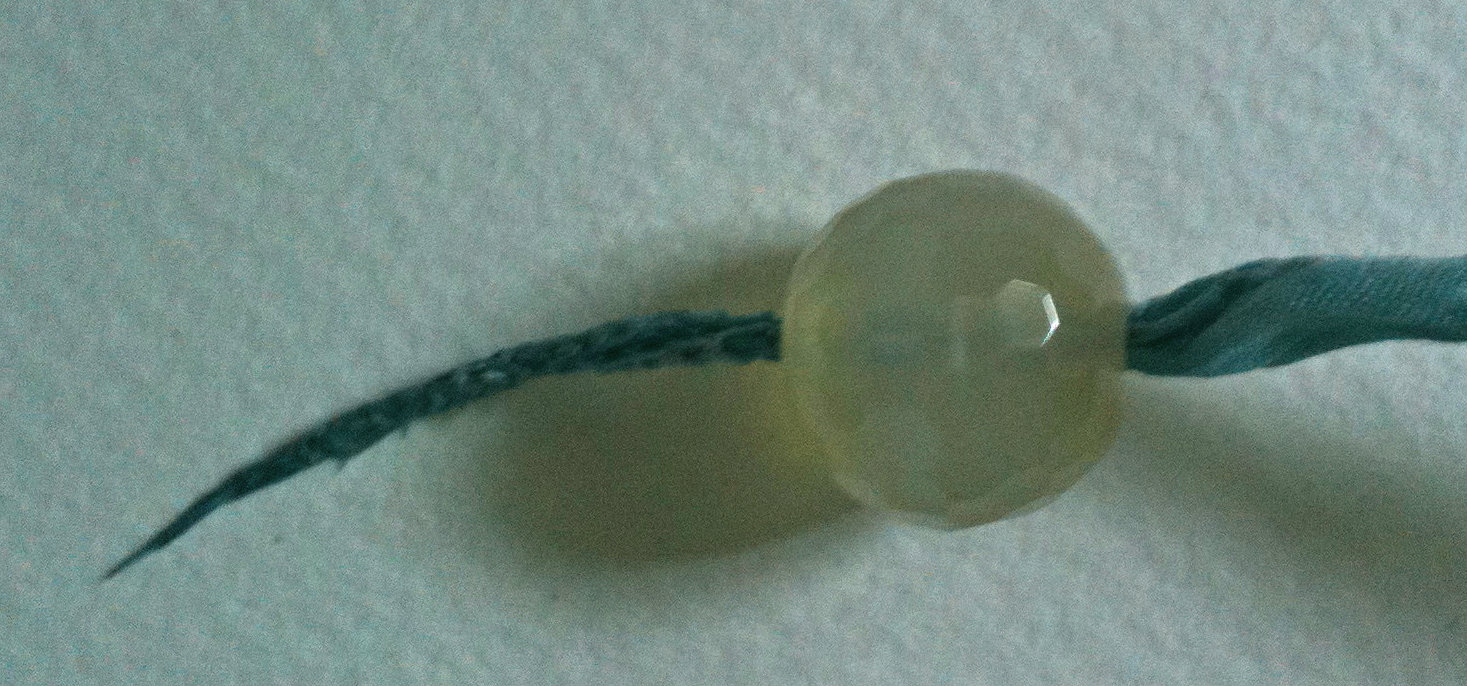
Stringing a necklace on a wide ribbon is easy, as long as you can twist the end of the ribbon into a point. Then you can thread the beads on one at a time.

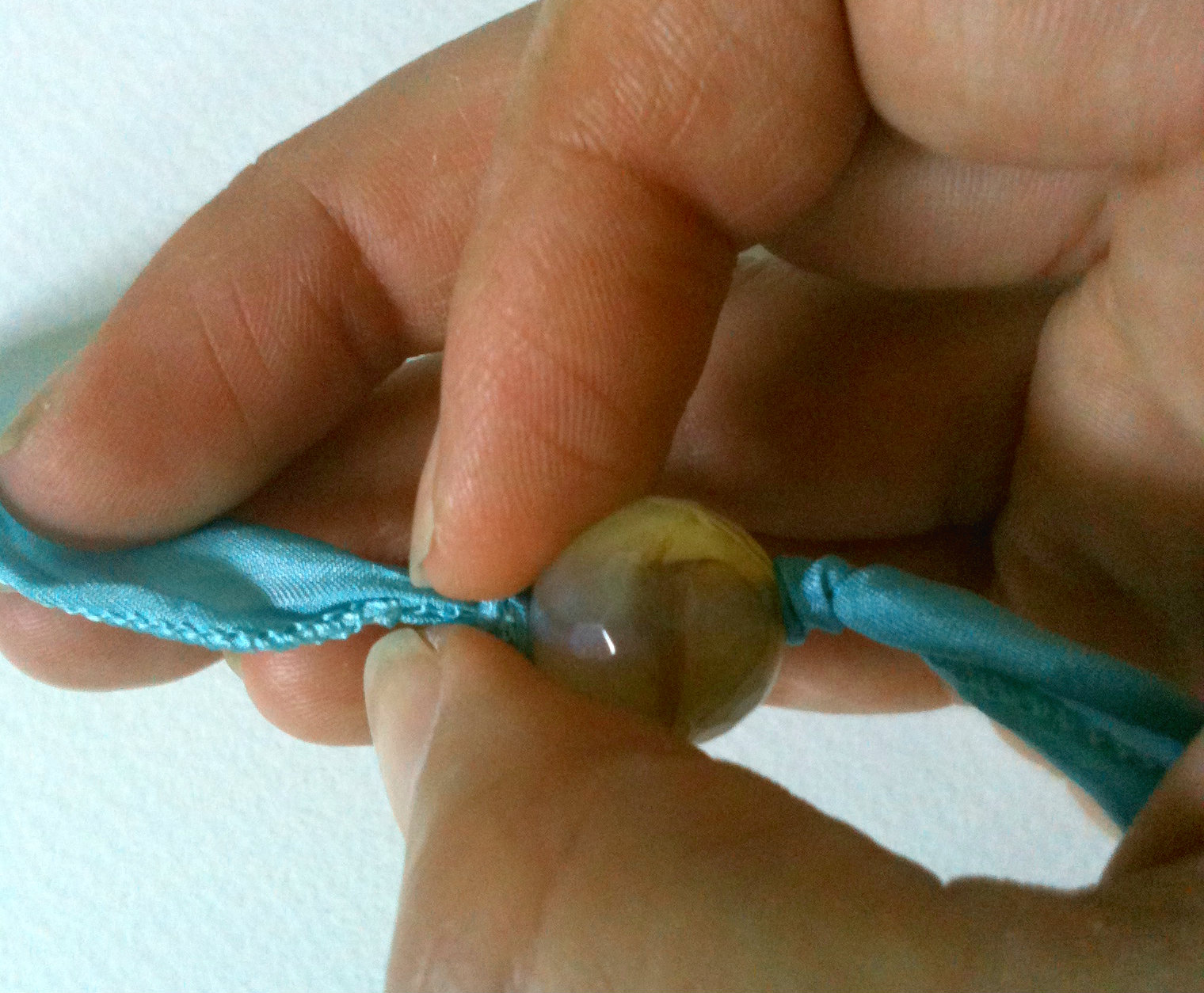
Once all the beads are strung, leave a long tail (long enough to make a large bow you like, plus a little more in case you need it), and tie a knot. Slide a bead right up to the knot, then tie a second overhand knot right next to the bead, pulling the knot tight to the bead with your fingers

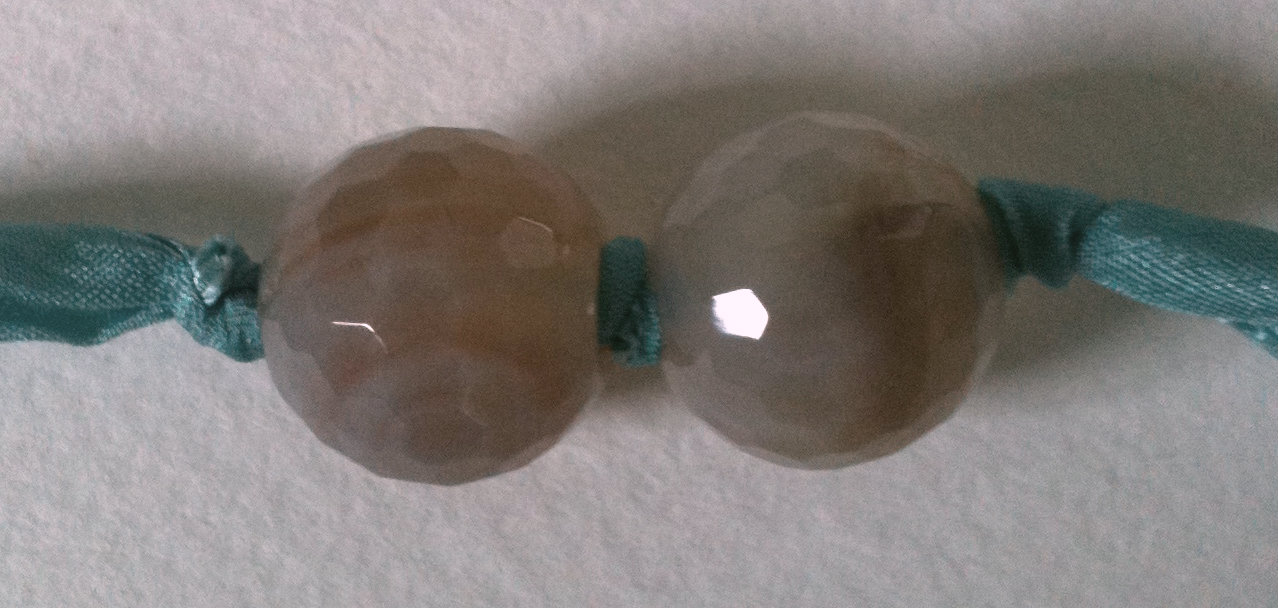
Push a second bead next to the second knot, and tie the third knot like the second, pulling it close to the bead.

Keep knotting and sliding, keeping the knots as close to the beads as possible.

As you pass the halfway point, check that the ends are even. If not, you may need to remove beads from one end and string them on the other end to even the ends.

Finish knotting. Use a bow to clasp the necklace.

Cooking from a CSA, Part 9: Caponata with Poached Eggs

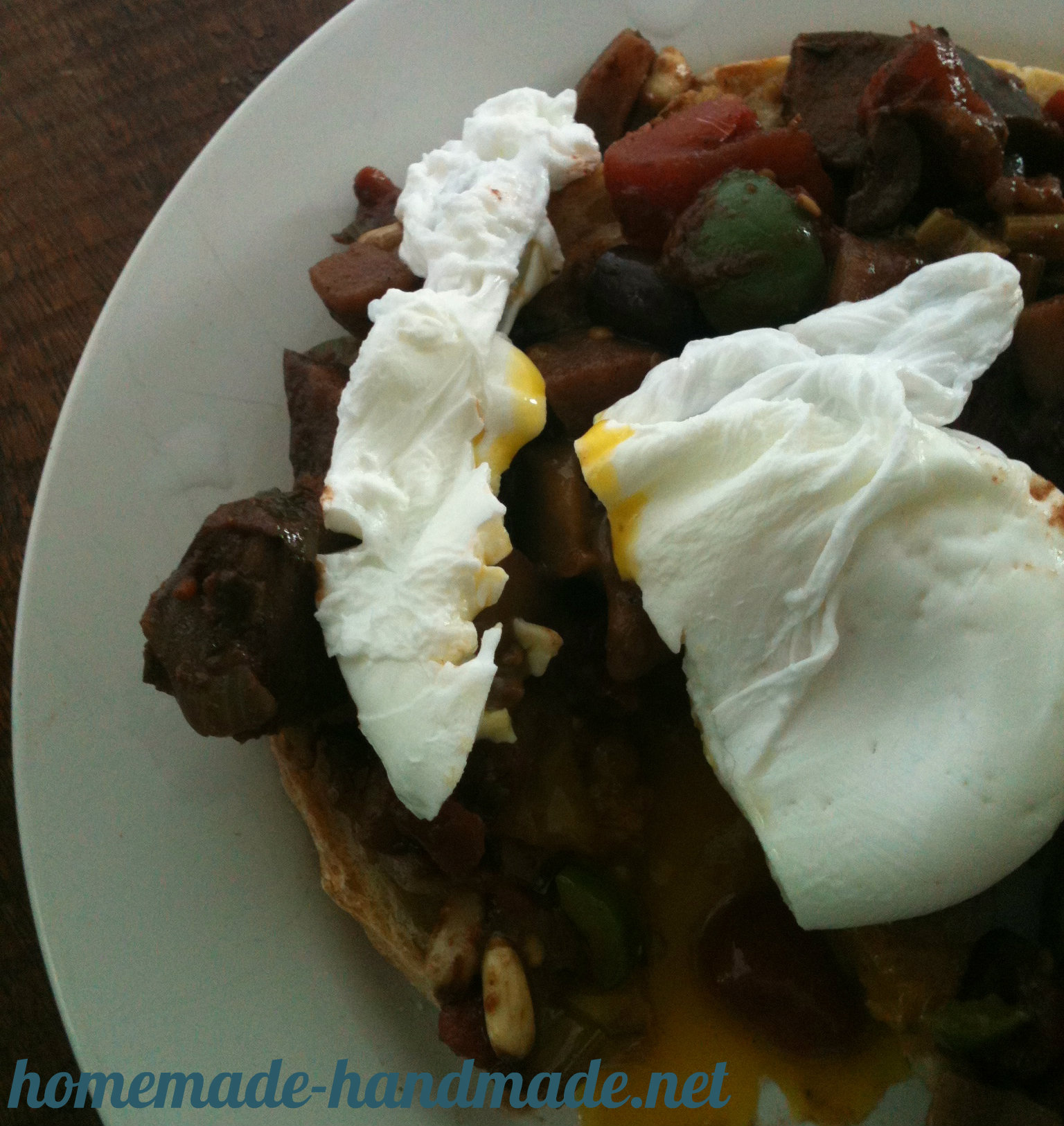
In my latest CSA box I found eggplant and celery. It seemed like the perfect time to try making caponata, an excellent dish for summertime picnics. When I first tried caponata last summer, I couldn’t imagine that I would like cold eggplant, but yum! It’ a complex blend of flavors and textures, that taste great on bread. After a little research, I decided to adapt a recipe from Mario Batali (adding celery and olives).

First, I ate the caponata on french bread, as it’s normally served. But after a long run this weekend, I decided that adding a little protein would be a great addition and used the leftovers for a fabulous post-run breakfast, with eggs and toast.

Caponata with Poached Eggs (adapted from Mario Batali)

  • 1/2 cup  olive oil
  • 1 large onion, chopped
  • 1 slender bunch of early celery, chopped
  • 3 tablespoons pine nuts
  • 3 tablespoons golden raisins
  • 1 tablespoon hot chili flakes, plus extra for garnish
  • 1 large eggplant, cut into 1/2-inch cubes (to yield 4 cups)
  • 2 tablespoons sugar
  • 1 teaspoon cinnamon
  • 1 teaspoon unsweetened cocoa powder
  • 2 teaspoon fresh thyme leaves or 1/2 teaspoon
  • 12 oz can diced tomatos
  • 1/3 cup balsamic vinegar
  • 1/3 cup pitted kalamata olives
  • Salt
  • pepper
  • 2 eggs
  • sliced baguette or other crusty loaf bread
  1. In a large pan, heat the olive oil over medium heat and add the onions, celery, pine nuts, golden raisins and chili flakes. Stir frequently, cooking until just softened, about 4 minutes.
  2. Stir in the eggplant, sugar, cinnamon, and cocoa and cook for 5 more minutes. Add herbs, tomatoes, and vinegar and bring the mixture to a boil. Stir in the olives.
  3. Set the heat to low and simmer for about 7 minutes, until it begins to thicken. and remove from heat.
  4. This recipe makes a generous few meals, and can be frozen for later. It can be eaten warm, but is traditionally eaten cold  or room temperature. I highly recommend it with poached eggs: Set a deep pan of water to boil, once boiling, add a glug of white vinegar, if desired, and give the water a little swirl with a spoon before adding two eggs. Continue gently swirling the water until the eggs are cooked, and then remove them with a slotted spoon. Toast two slices of bread, top with caponata, and place a poached egg on each slice.