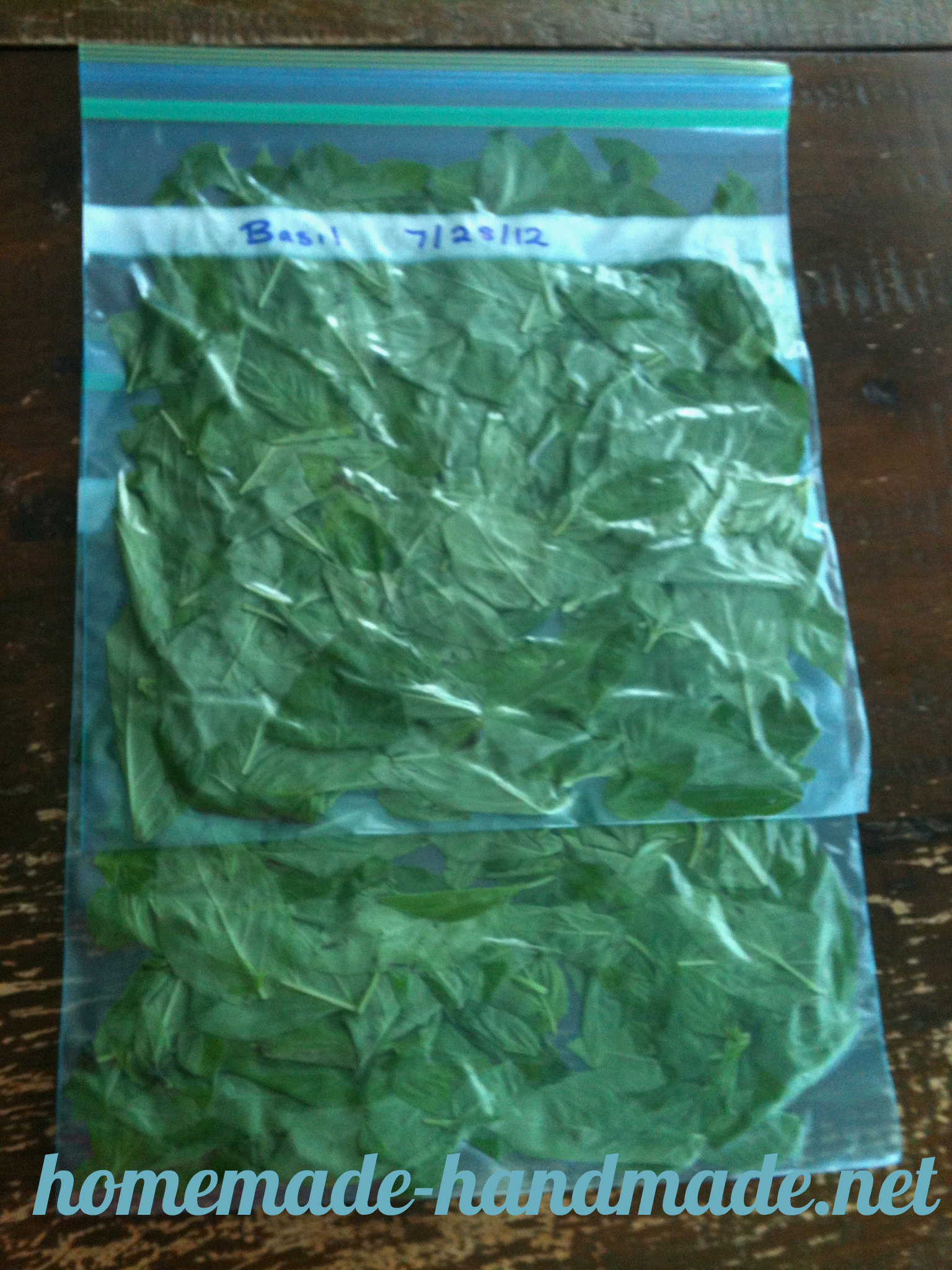
Cooking from a CSA, Part 8: Freezing Basil

It’s been a while since I blogged about the CSA. It’s been incredibly hot here in Wisconsin this July, making me not want to cook in my un-air-conditioned kitchen. With that, plus the fact that I’m on the half share and not getting nearly as many vegetables and making a lot of repeat dishes, my kitchen has been boring.

But no more! I actually scored a CSA bonanza this week. When I went to pick up my share, I didn’t grab my basil out of the box. Apparently no one did. And there was an extra box down there, so I walked away with two CSA shares and entire box of basil. (I did try to contact other CSA members to see whose share I had, but no luck.)

I had a ton of cauliflower and two boxes of tomatoes, both of which have already gone to good use in Cauliflower and Parmesan Cake and Tomato and Corn Pie. These two dishes (from Smitten Kitchen) are two of my absolute favorites, but both taste best in season–especially the Tomato Pie. In fact, last year, I tried to make it with store-bought tomatoes after tomato season ended, and it just didn’t have the same oomph that makes it so wonderful during the season.

Both those dishes used a healthy dose of basil, but even after I gave away bunches to coworkers, my carpool buddy, and even my landlord, I still had 10 giant bunches of basil left. What to do? I froze it.

It’s super-easy to freeze basil. I rinsed it thorough in a colander, spun it in my salad spinner to remove the water, and laid it on a dish towel in a single layer. Then I rolled up the dish towel to gently wring out the last of the water, unrolled it, and put the basil in a freezer bag in a single layer. I sucked all the air out the bag with a straw, and threw it in the freezer. The basil won’t have the same leafy texture that fresh basil has, but it has a bit more flavor and body than dried basil, so it works great for cooking.
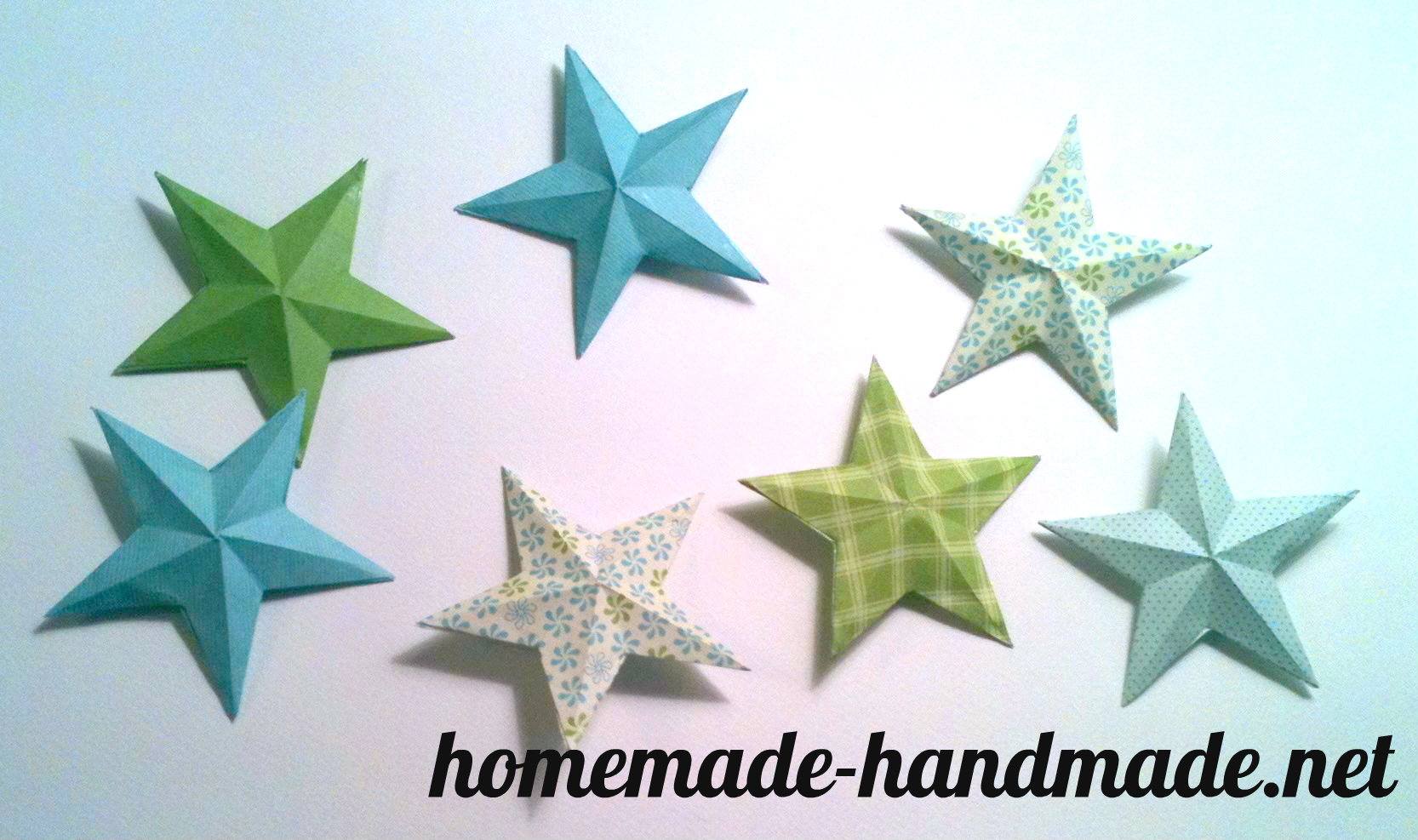
Paper Stars

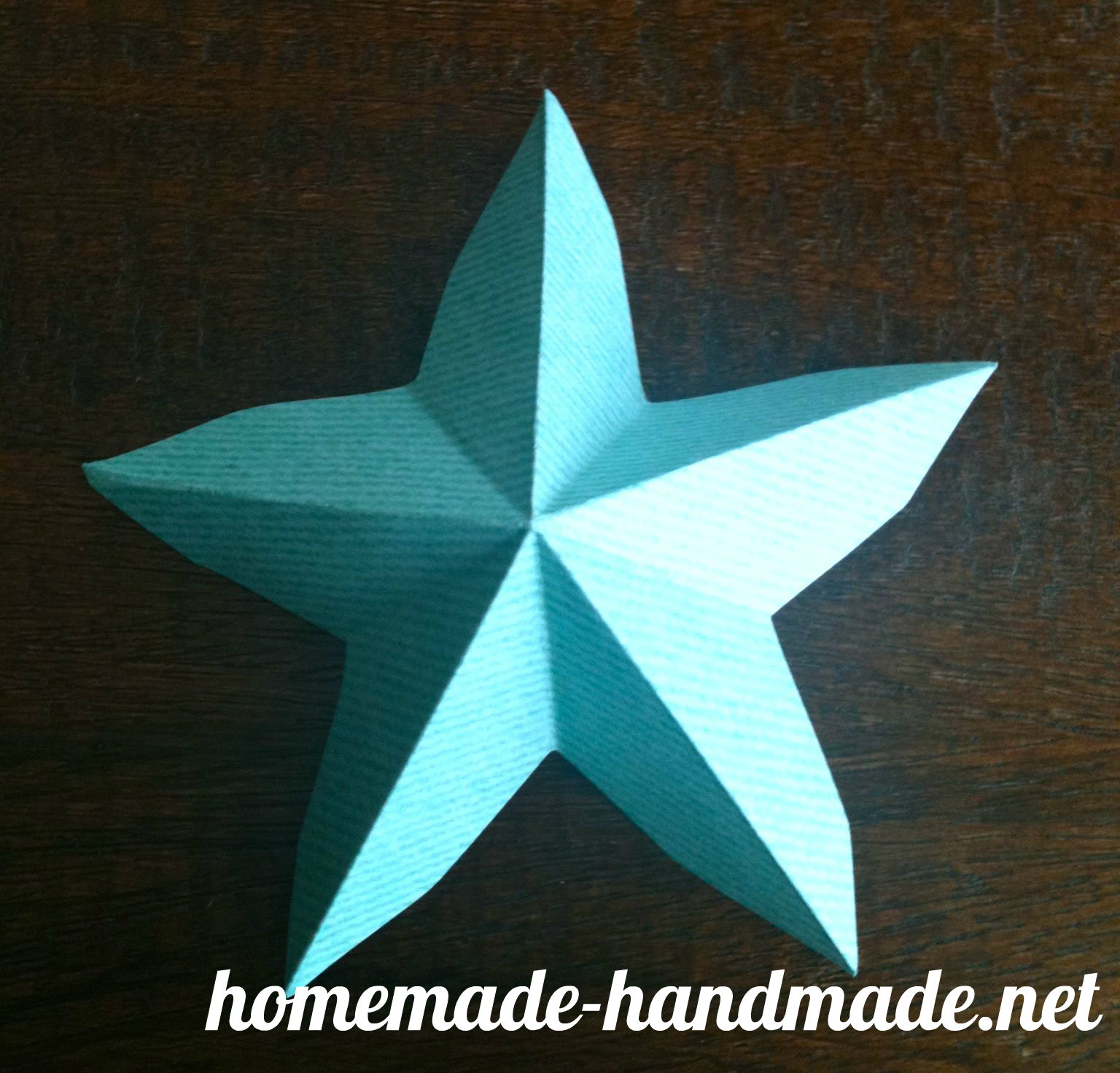
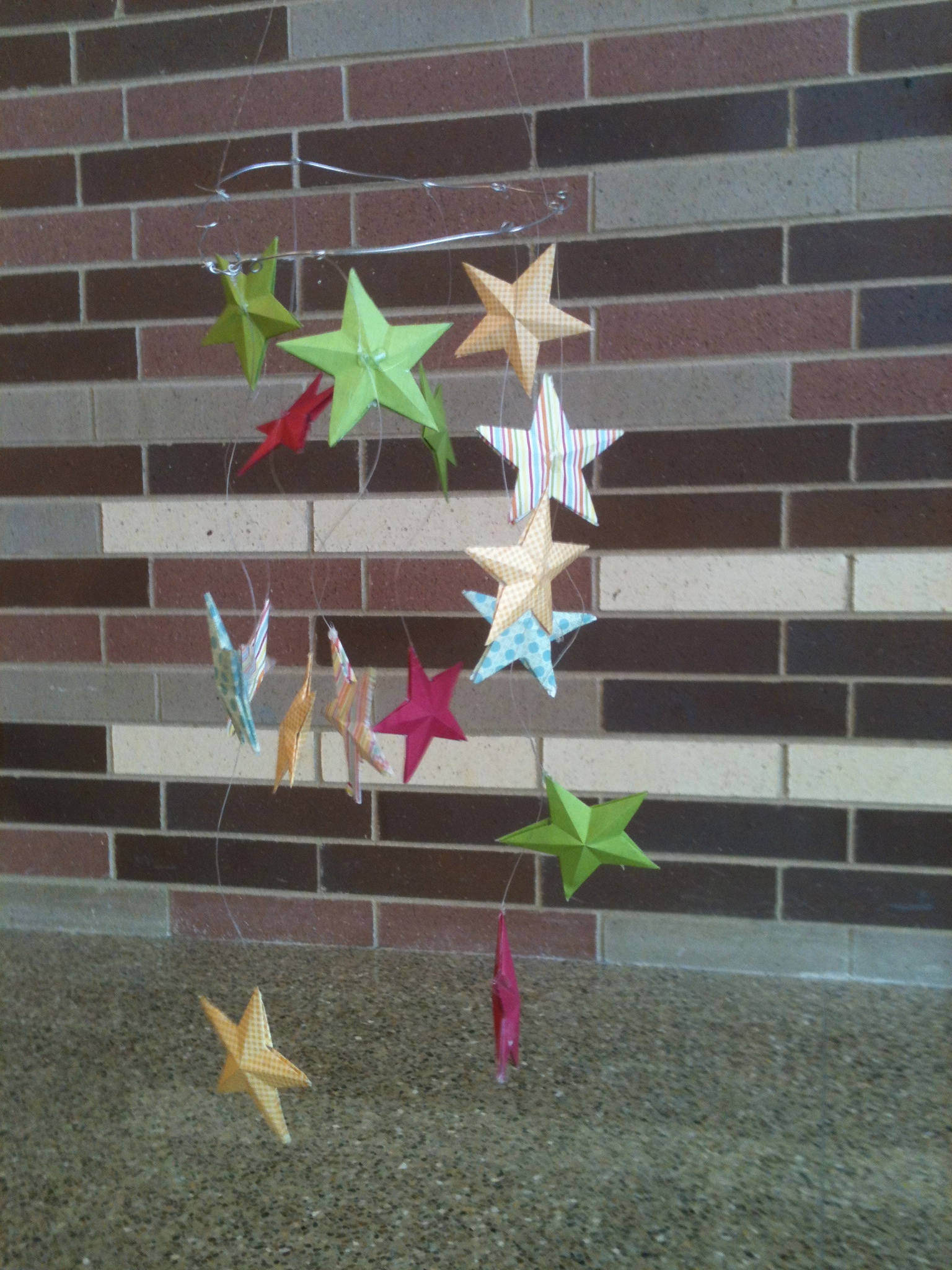
Paper stars were one of the first, if not the first, craft project Mary and I ever did together. We originally made a bunch as a birthday present for a friend who was decorating her room with a starry night theme. (Apparently when someone tells me I probably can’t do something, like make 3D stars out of paper, I feel inclined to prove them wrong.) They were a huge hit. Then we made a bunch for our room. Then, when we moved, we hung them from the ceiling of our office.

So when we were trying to think of something good for our blog masthead, paper stars seemed like a logical choice. And now you can learn to make your very own!

Now, making the template takes longer than making any of the stars. And the first one or two might be rough, as you are learning to make even folds and match up edges and get the glue to hold while not flattening the whole thing. But! Once you make the first few, they are actually pretty fast and addictive.

Paper Stars

You’ll need…

  • Stiff paper for template
  • Decorative paper for the stars (we’ve used construction, water color, and scrapbook paper with equal success)
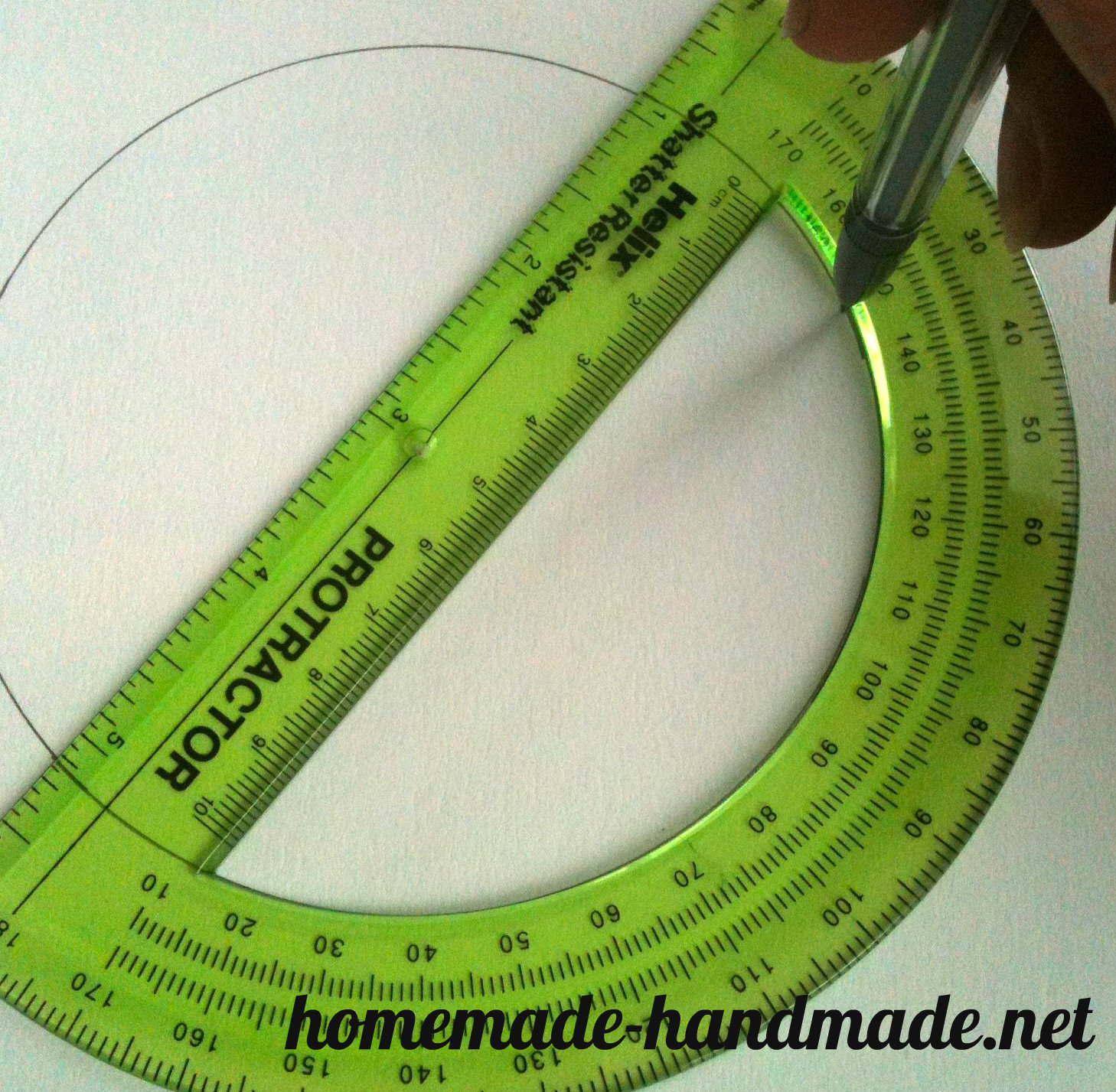
  • Protractor
  • Pencil
  • Glue (fine tip glue for scrapbooks works really well)
  • Scissors

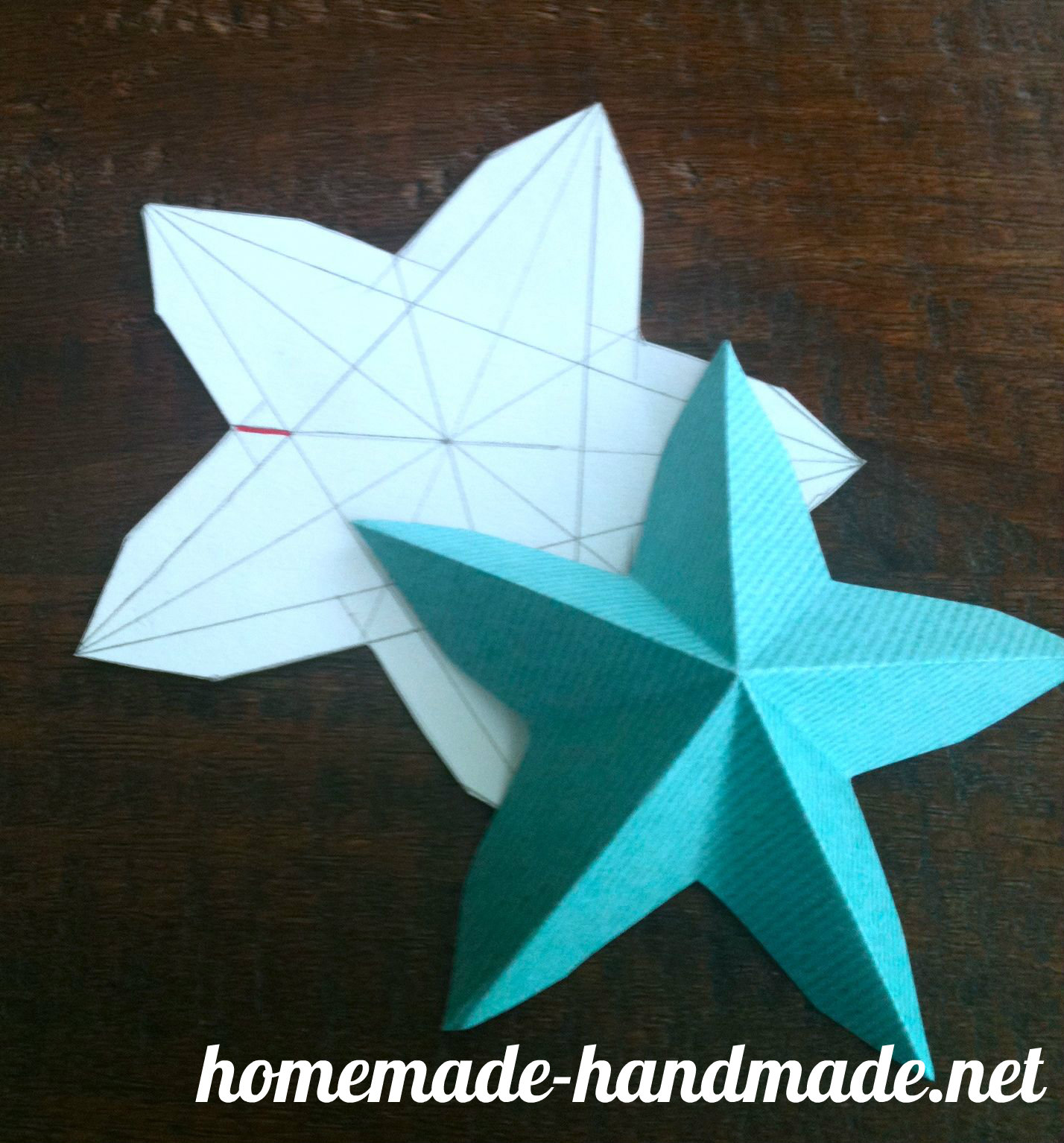
Template

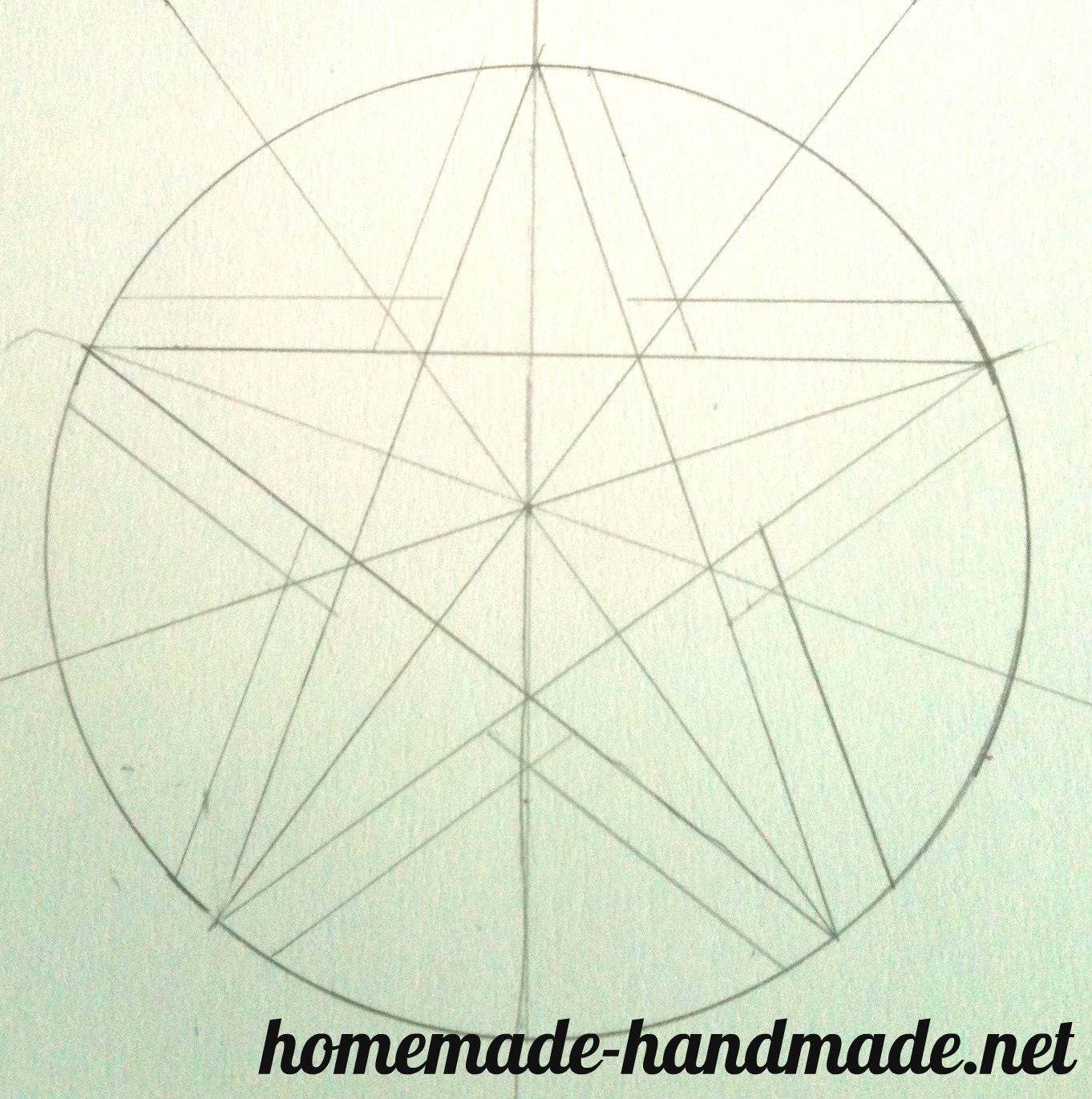
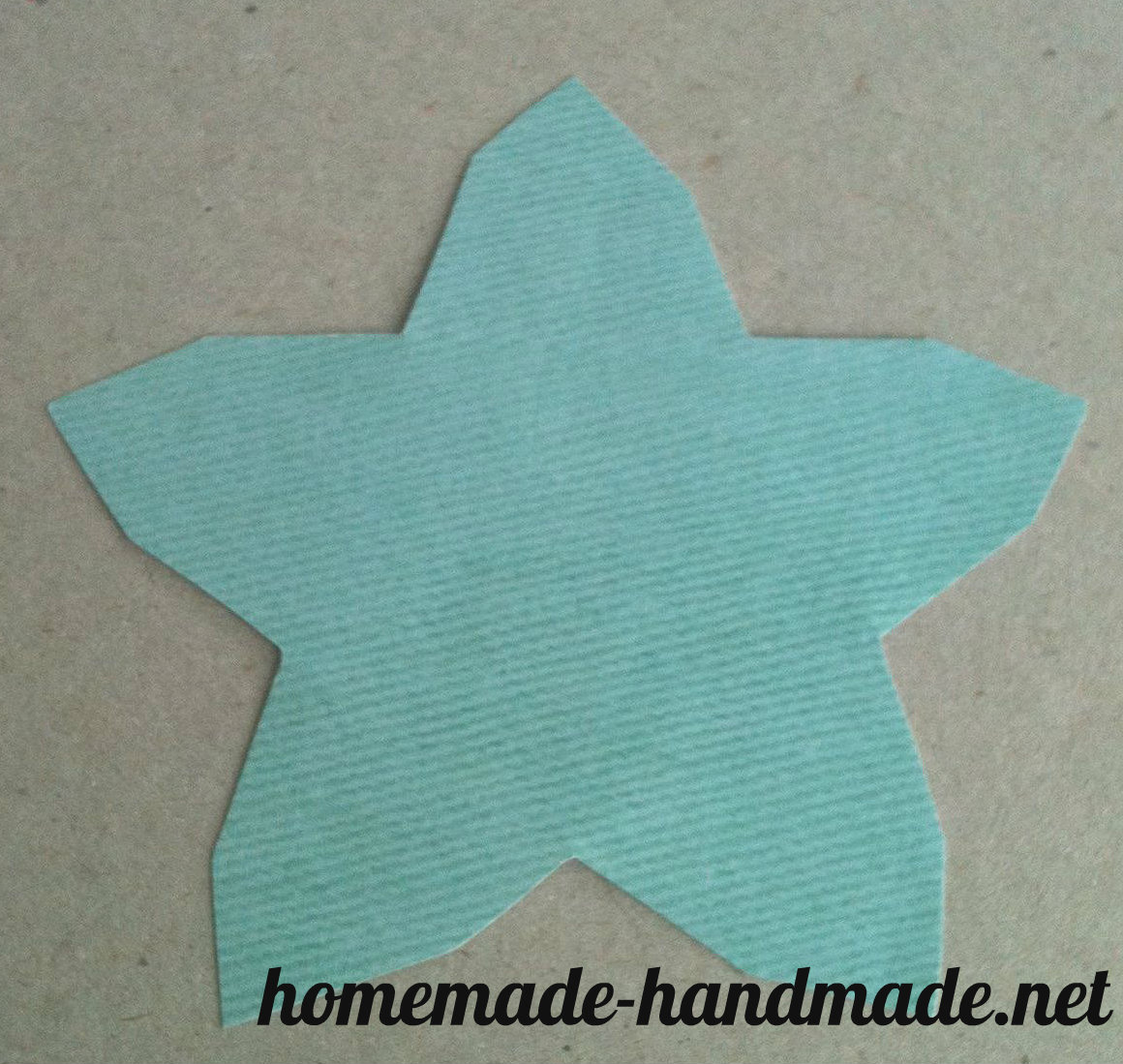
  1. Trace a circle onto the template paper using the inner edge of your compass.
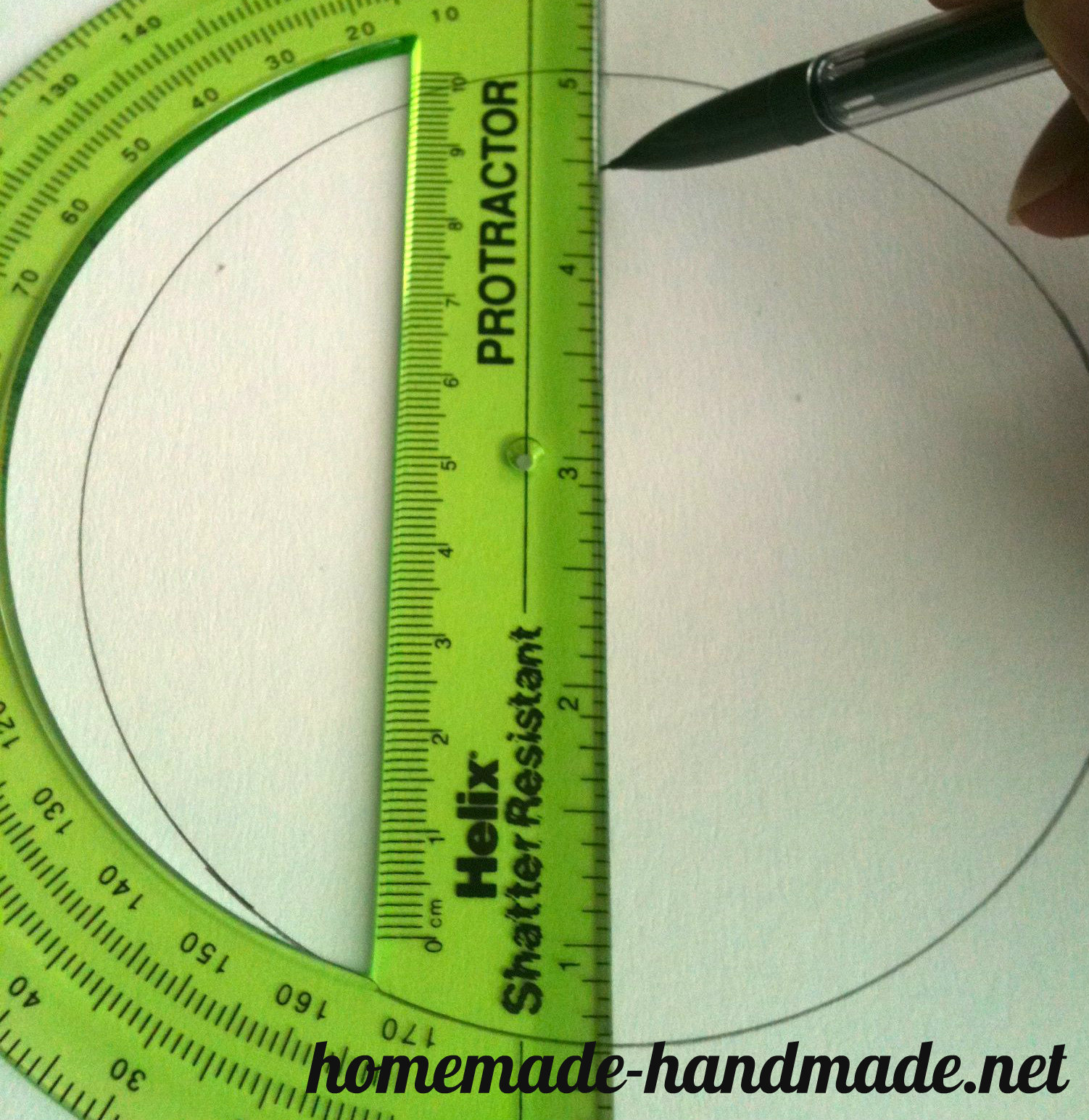
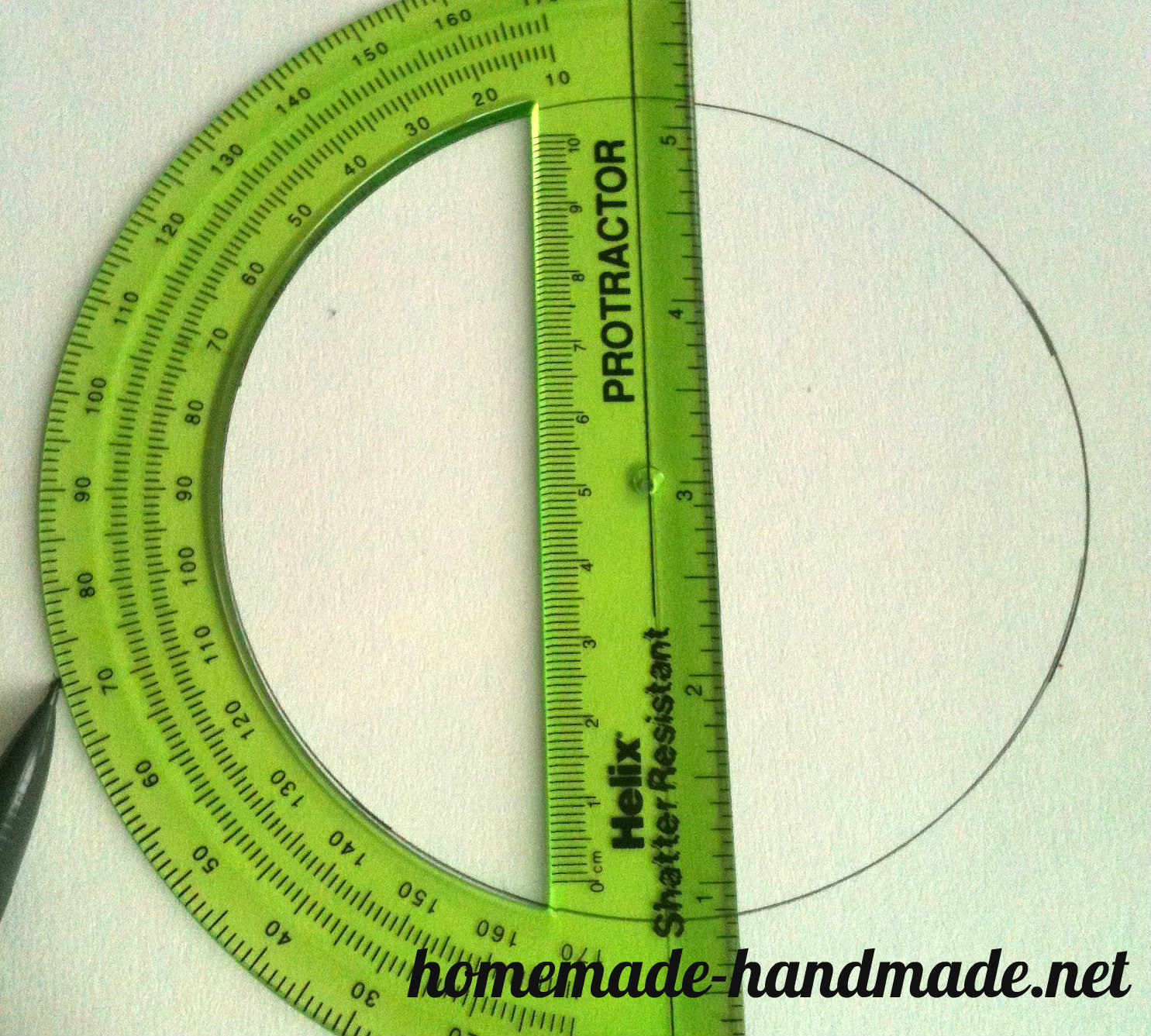
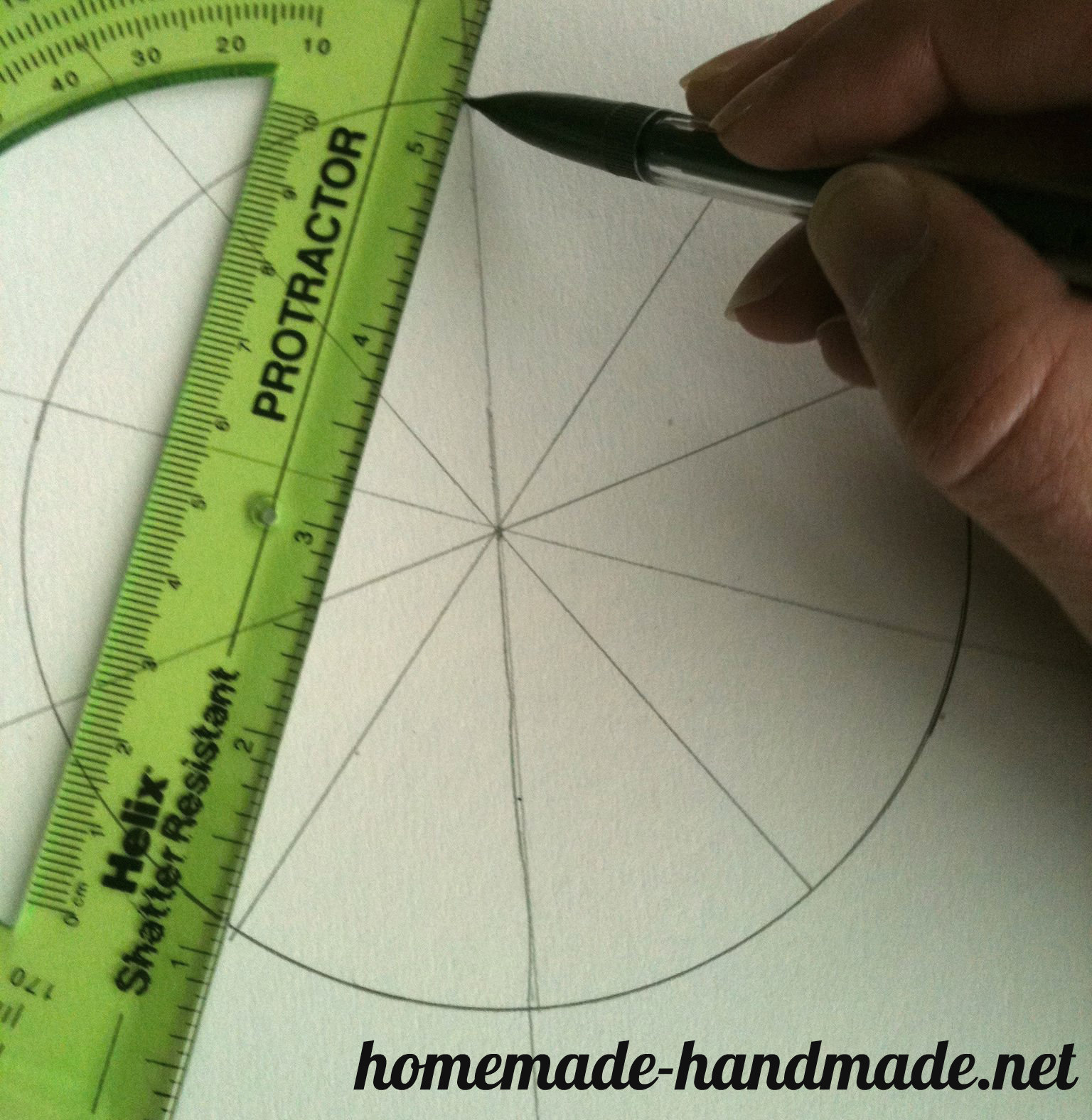
  2. Place the Protractor over the circle, and mark at 90° and the mid-point of the straight edge. Flip the protractor so that you mark it at 90° on the other side—marking a straight line dividing the circle exactly in half. Use the edge of the protractor to trace this entire line, and mark the halfway point so you can see the exact center of the circle. (My protractor has a handy opening for just this purpose.)
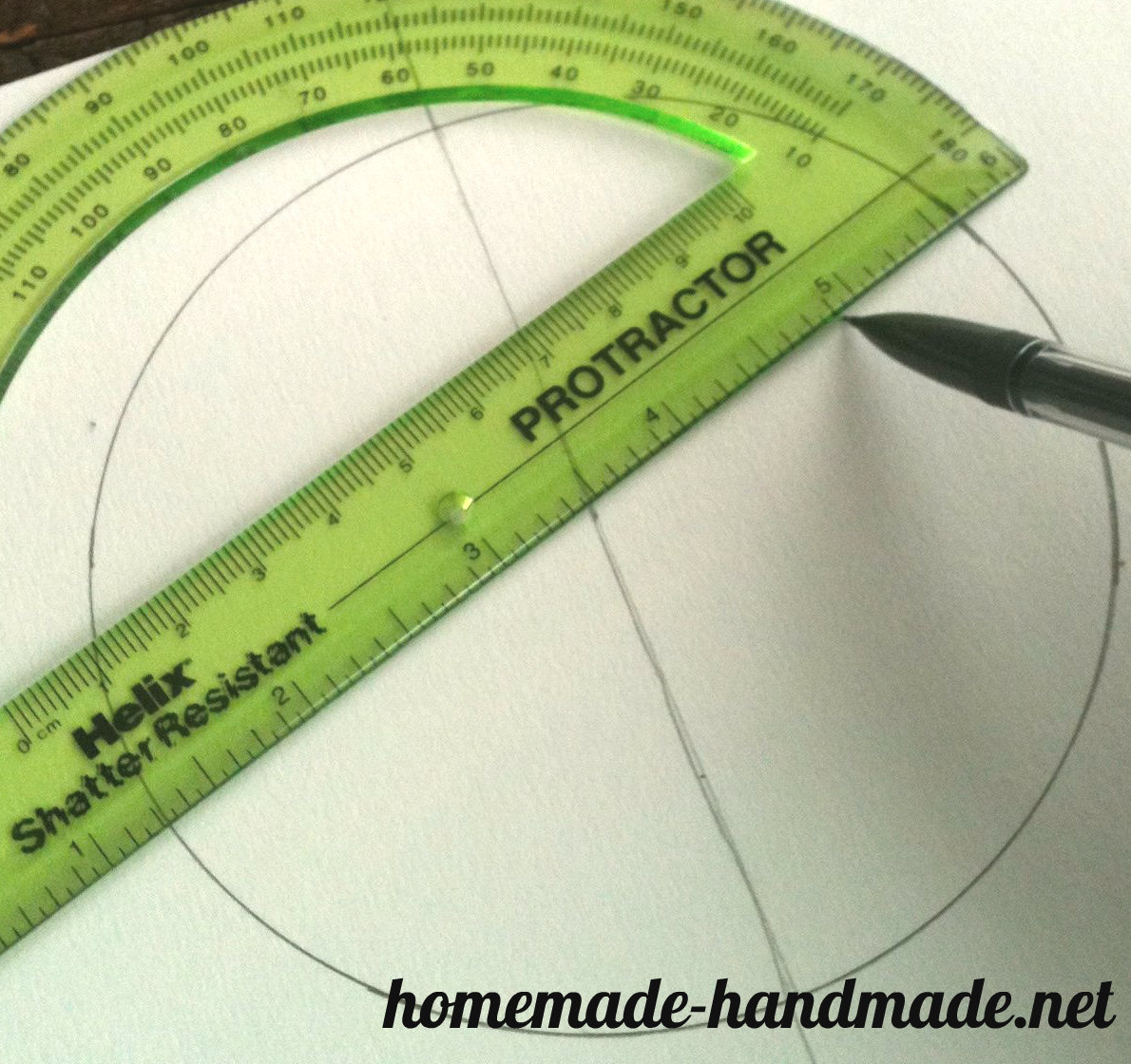
  3. Making sure your protractor stays centered, mark a point on the circle 72° from the marked line.

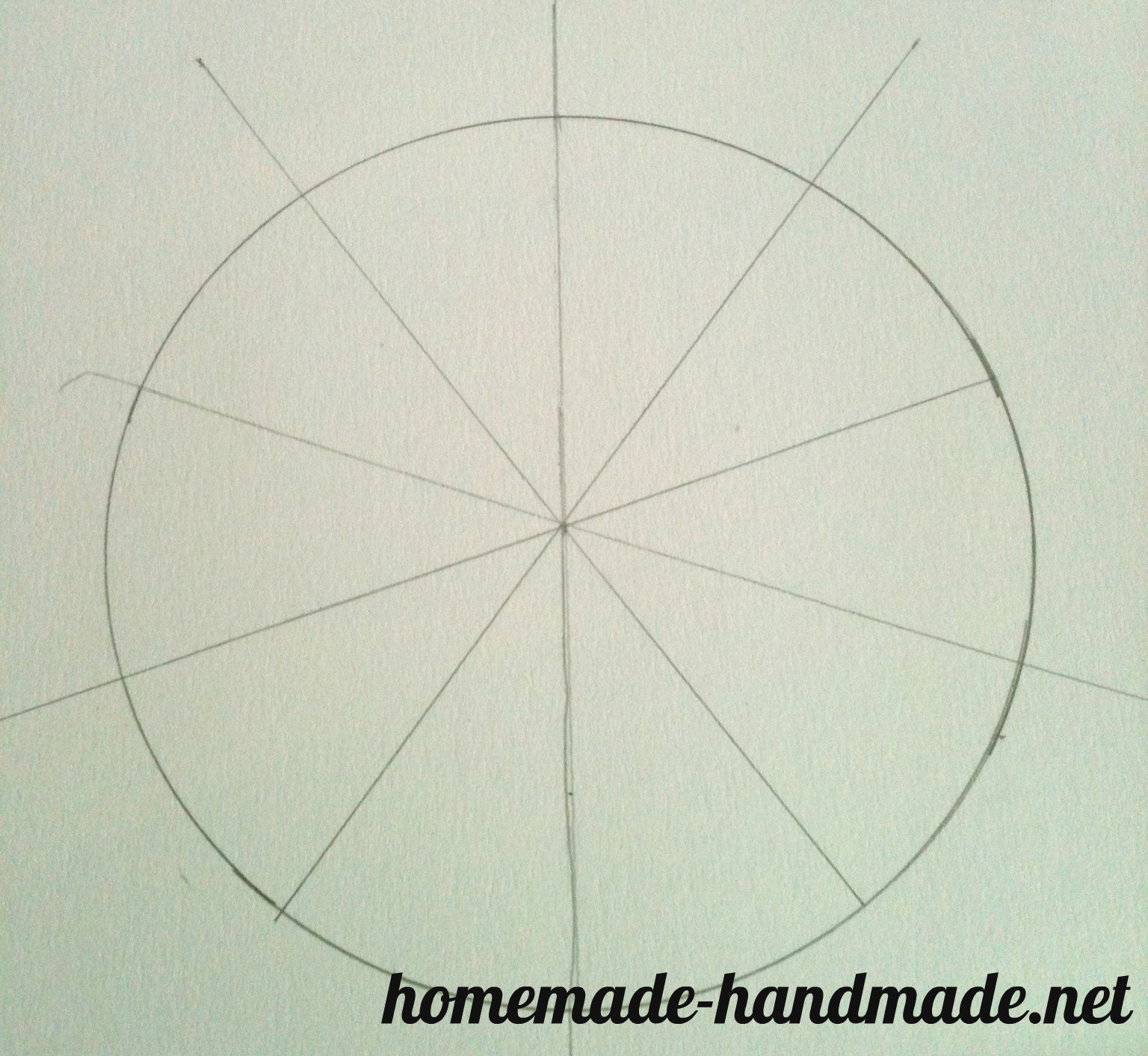
    Draw a line through that point and the center point to the other side of the circle.

    Repeat until you’ve made five lines, and the circle is divided into 10 sections. (Alternatively, you can mark every 36° around the circle and connect the dots to make the 10 sections.)
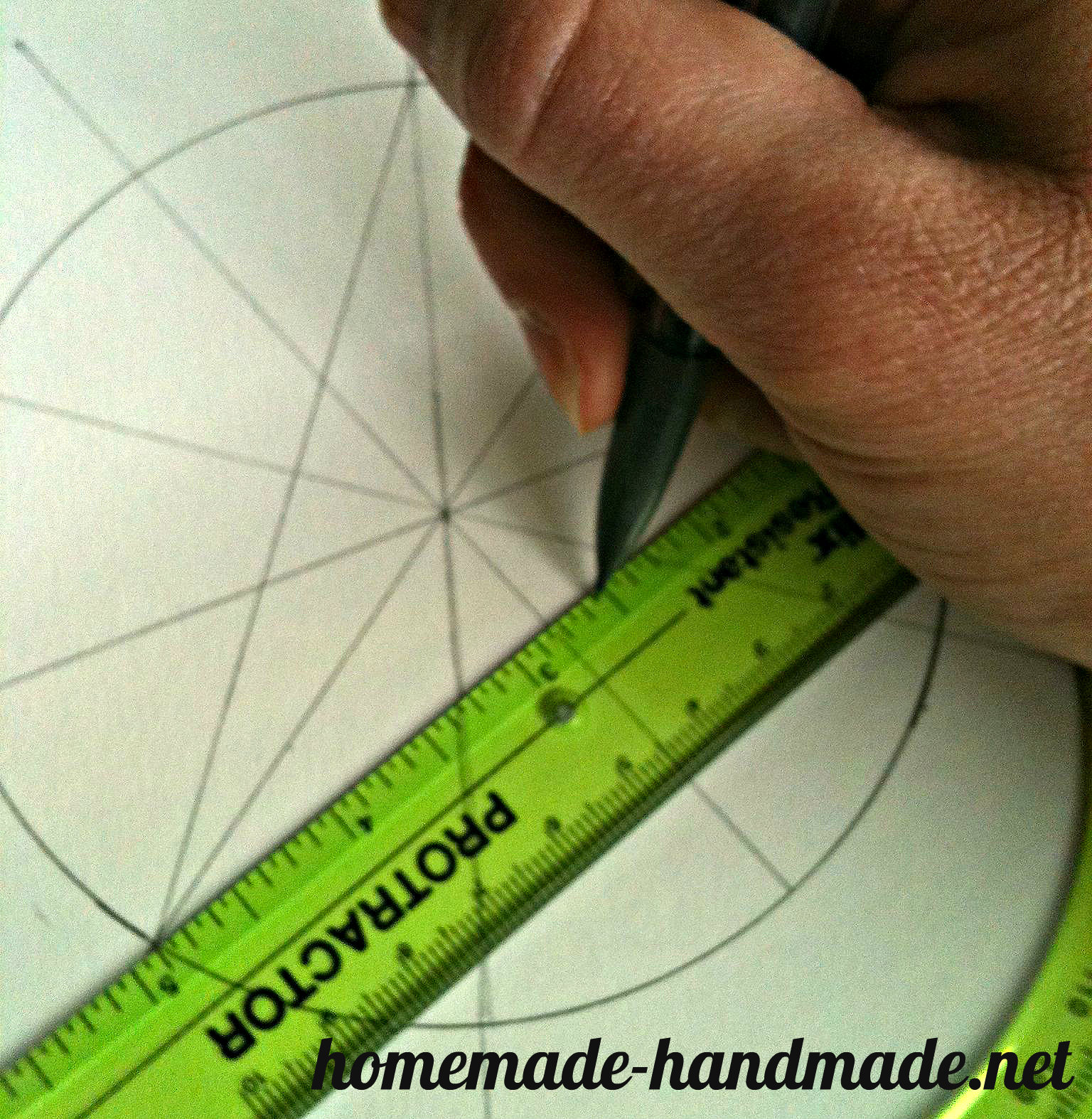
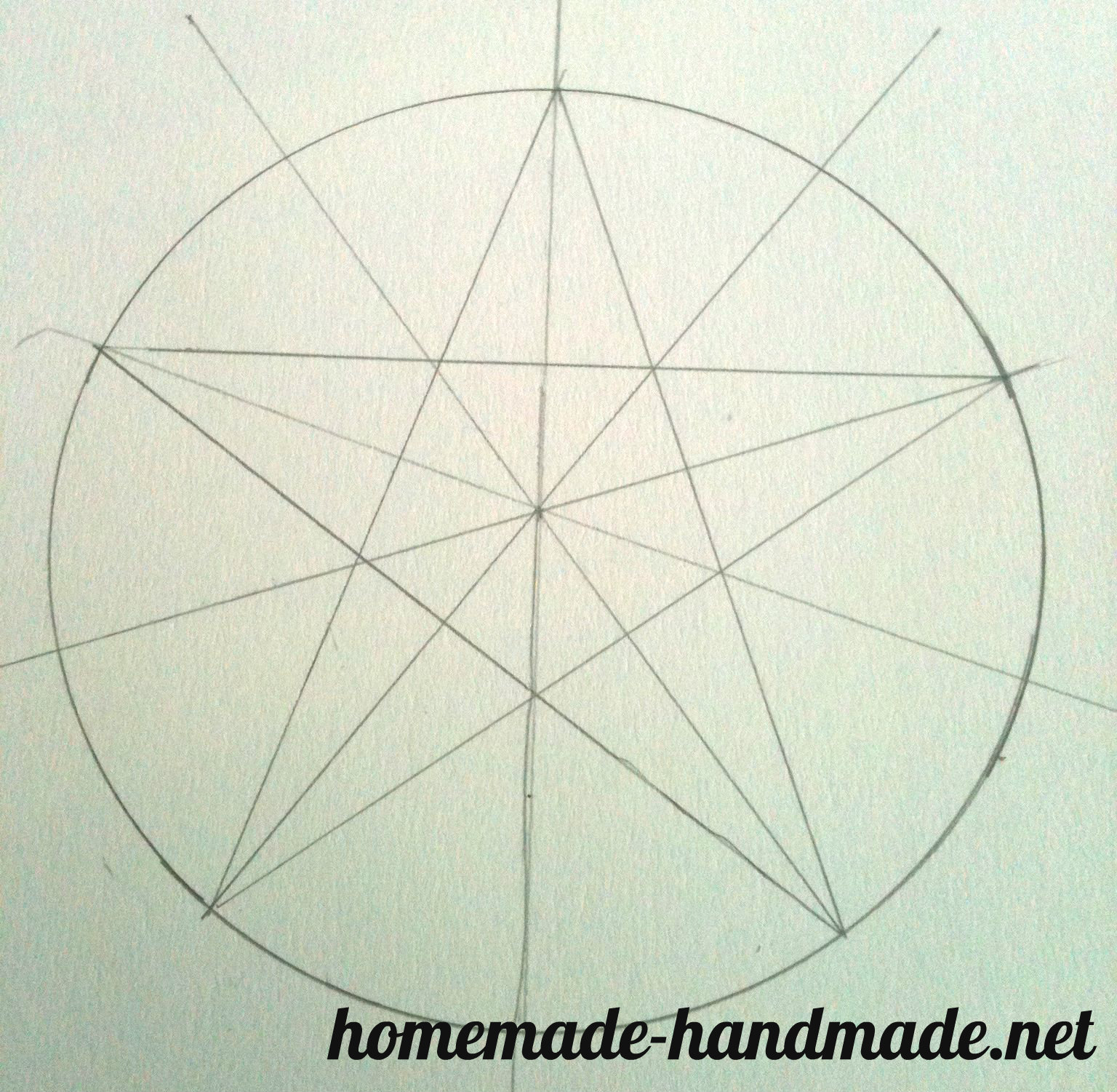
  4. Start at the top point, skip three lines around the edge, and line up your straight edge between the top point and the fourth point. Draw a line between the points.
  5. Skip the next three lines and use your straight edge to draw a line between the fourth point and where you left off.
  6. Repeat until you have a five-point star.
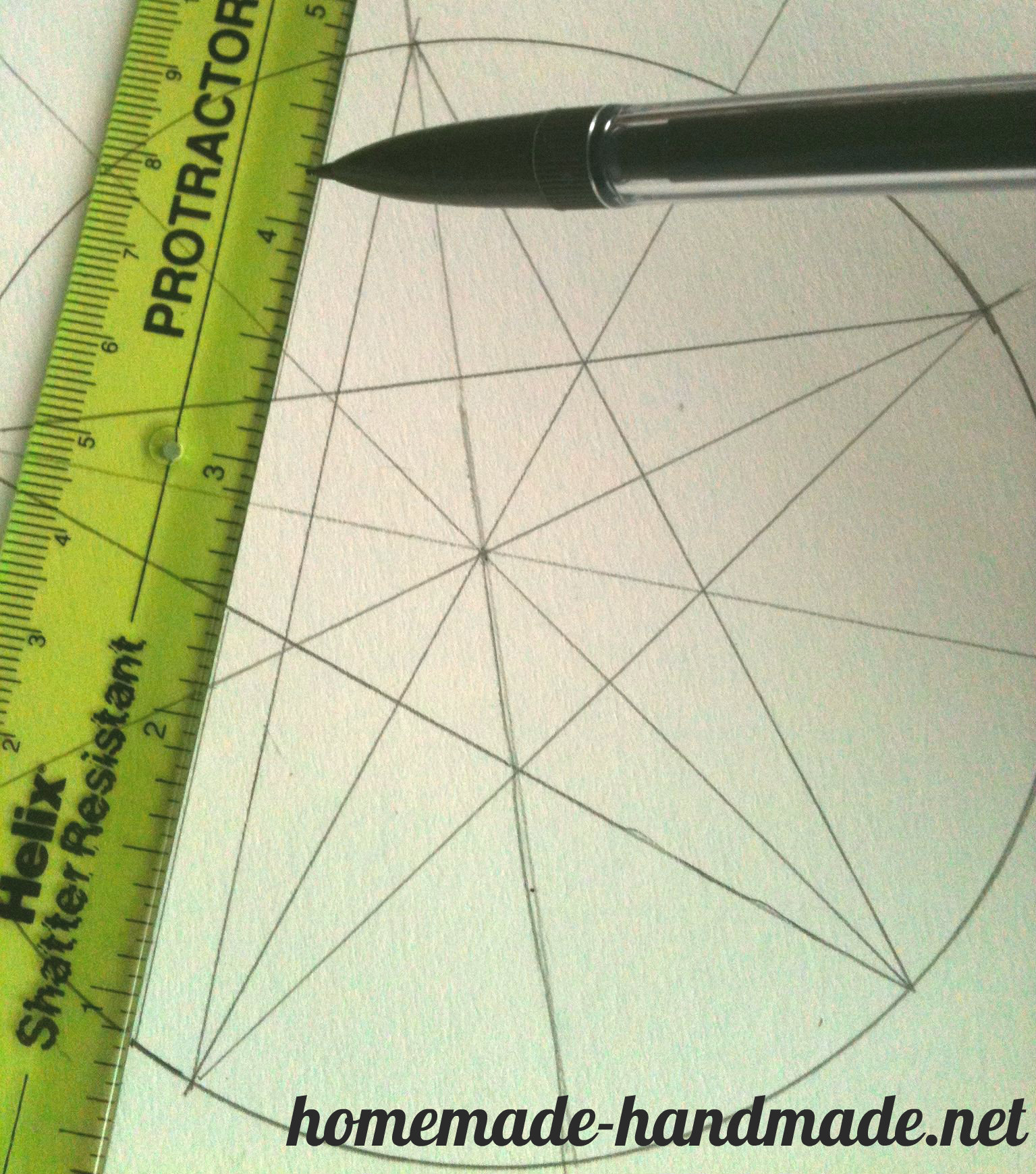
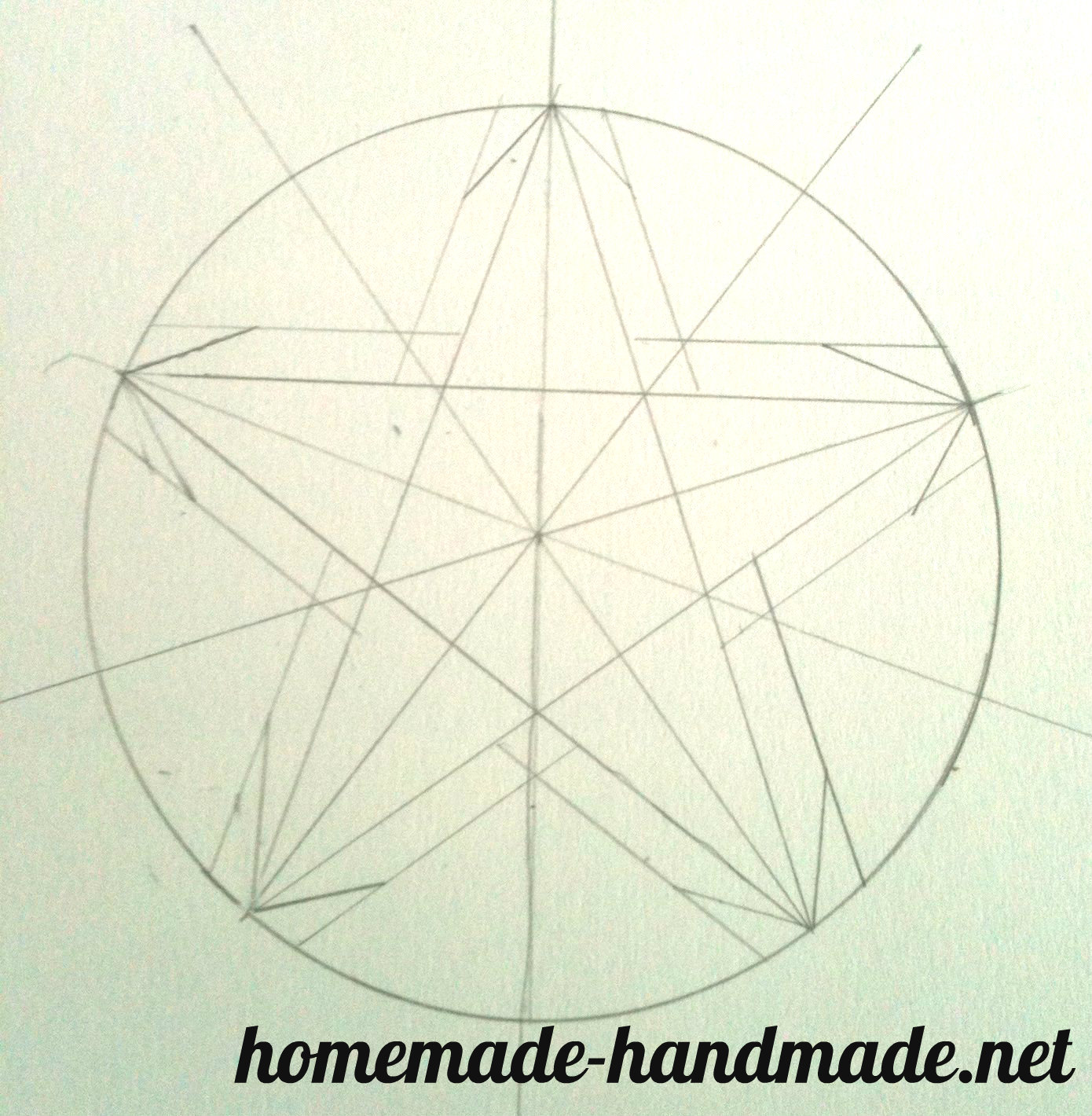
  7. Move your straight edge about 3 or 4 mm from one of the star’s sides and draw a parallel line, skipping the inside of the star itself.

    Repeat until you’ve created a second set of lines around each point (these lines are used for the flaps).
  8. Use your straight edge to mark a gradual taper at each point between the outside lines and the point.
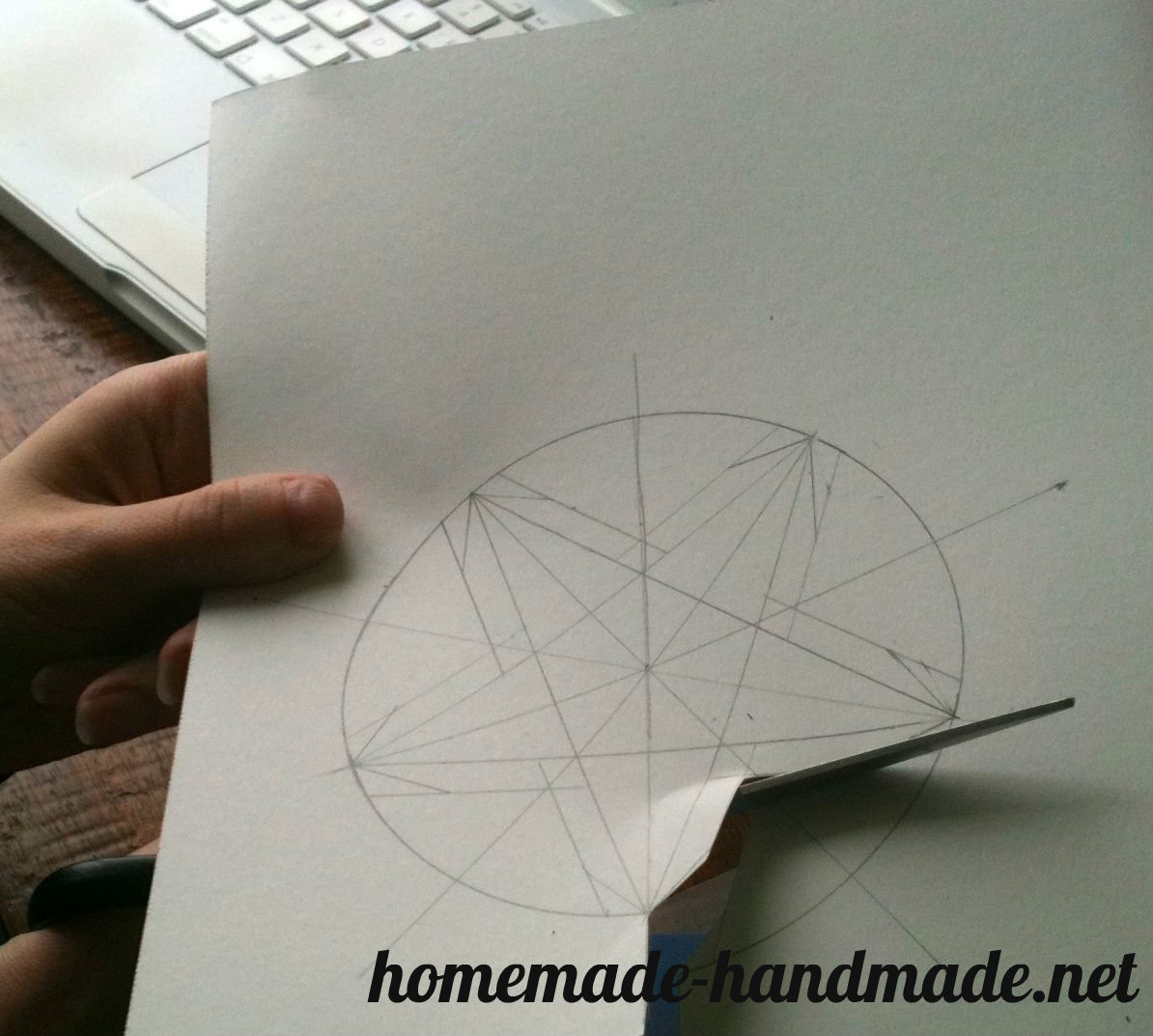
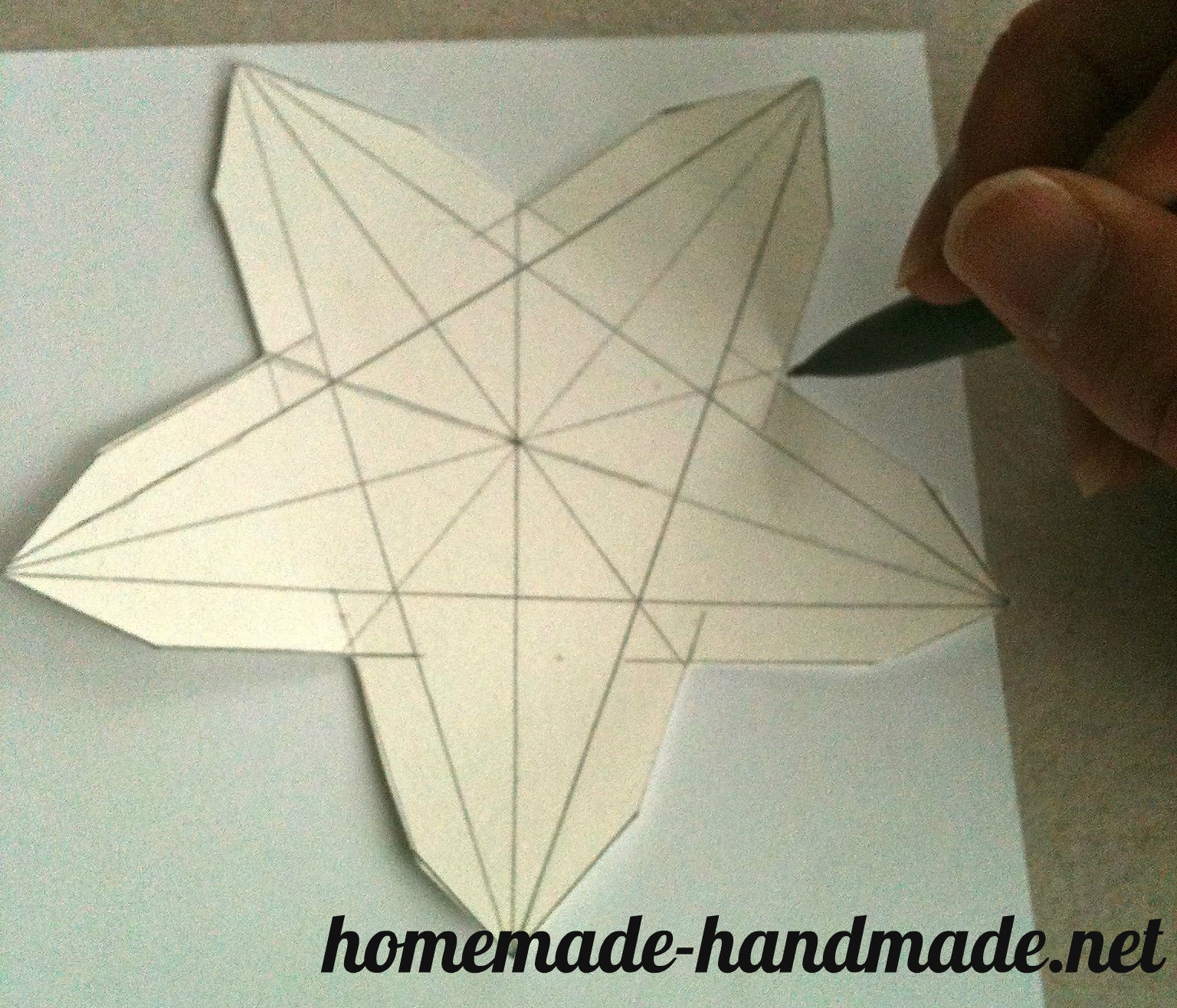
  9. Cut out your template, following the outside lines and the tapered points.

Cutting and folding stars

  1. Trace the template onto the back of your decorative paper. Repeat to trace a second star.
  2. Cut out both stars.
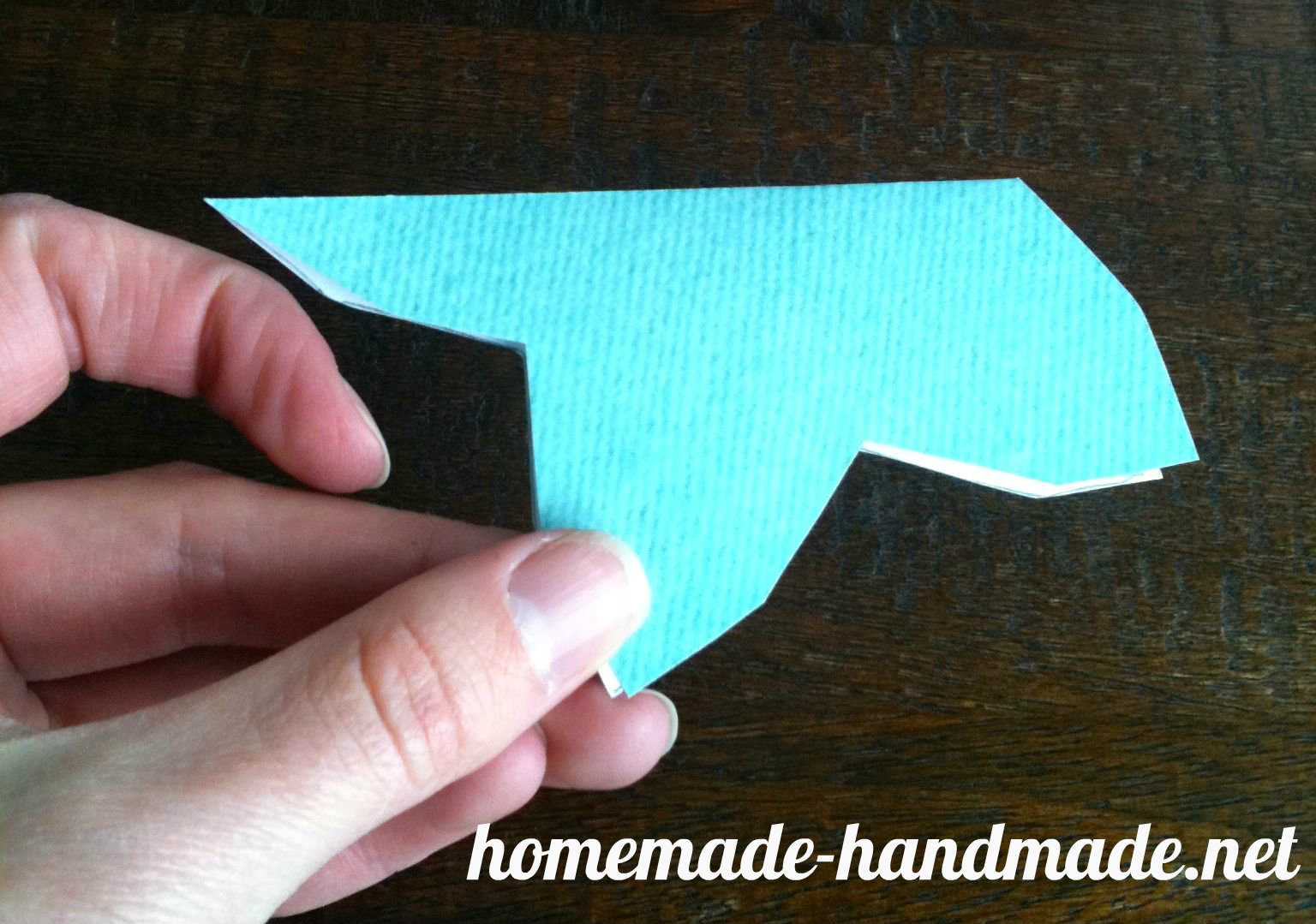
  3. Fold the star in half from an outer point to the inner point directly across from it. Unfold.
  4. Turn the star, and fold in half at the next point.
  5. Repeat until the star has been folded in half at every point.
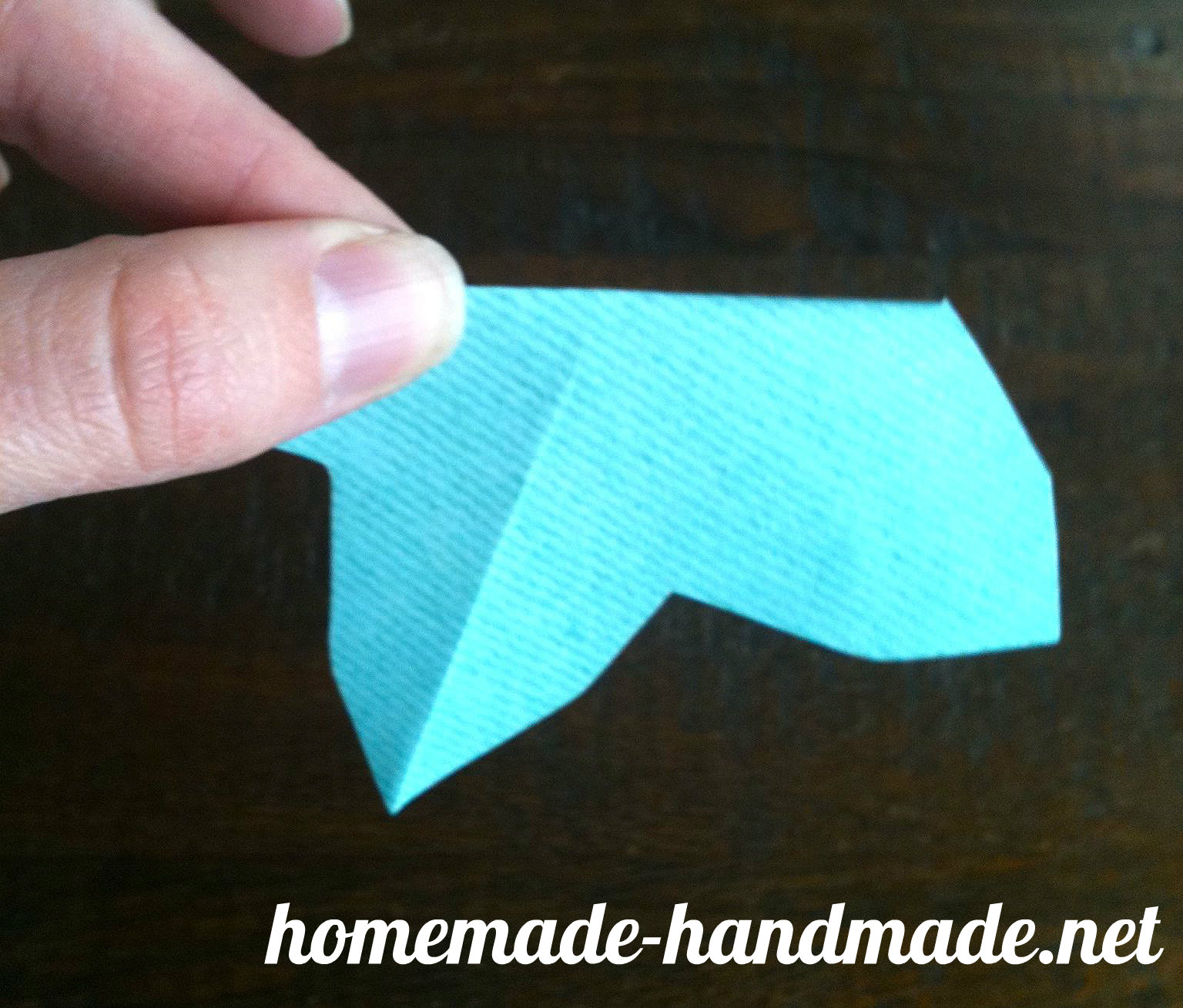
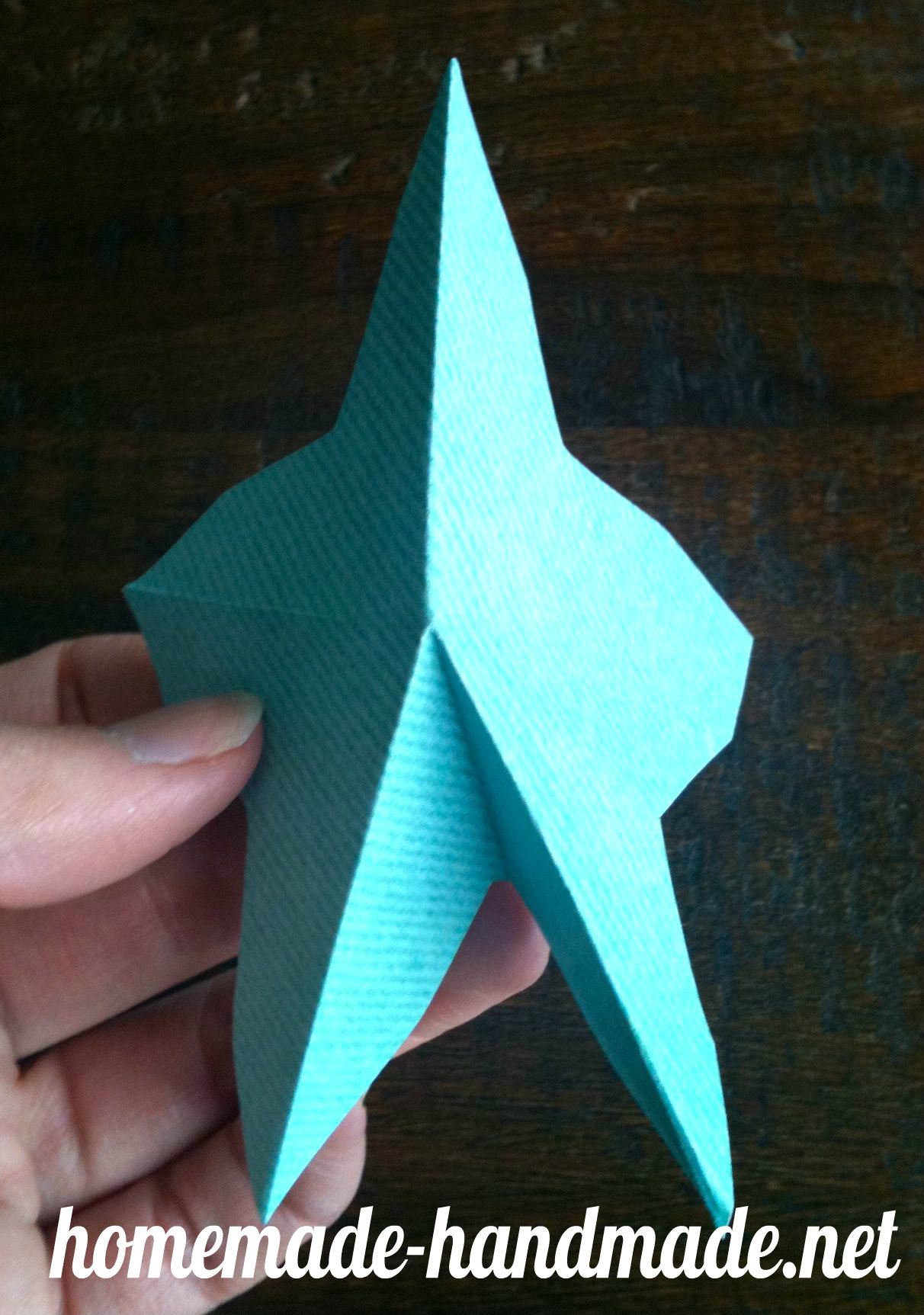
  6. Gently fold the star, tucking the inside point down and folding the two “legs” on either side together.
  7. Repeat around, so that every inside point folds in, and every outside point folds out.
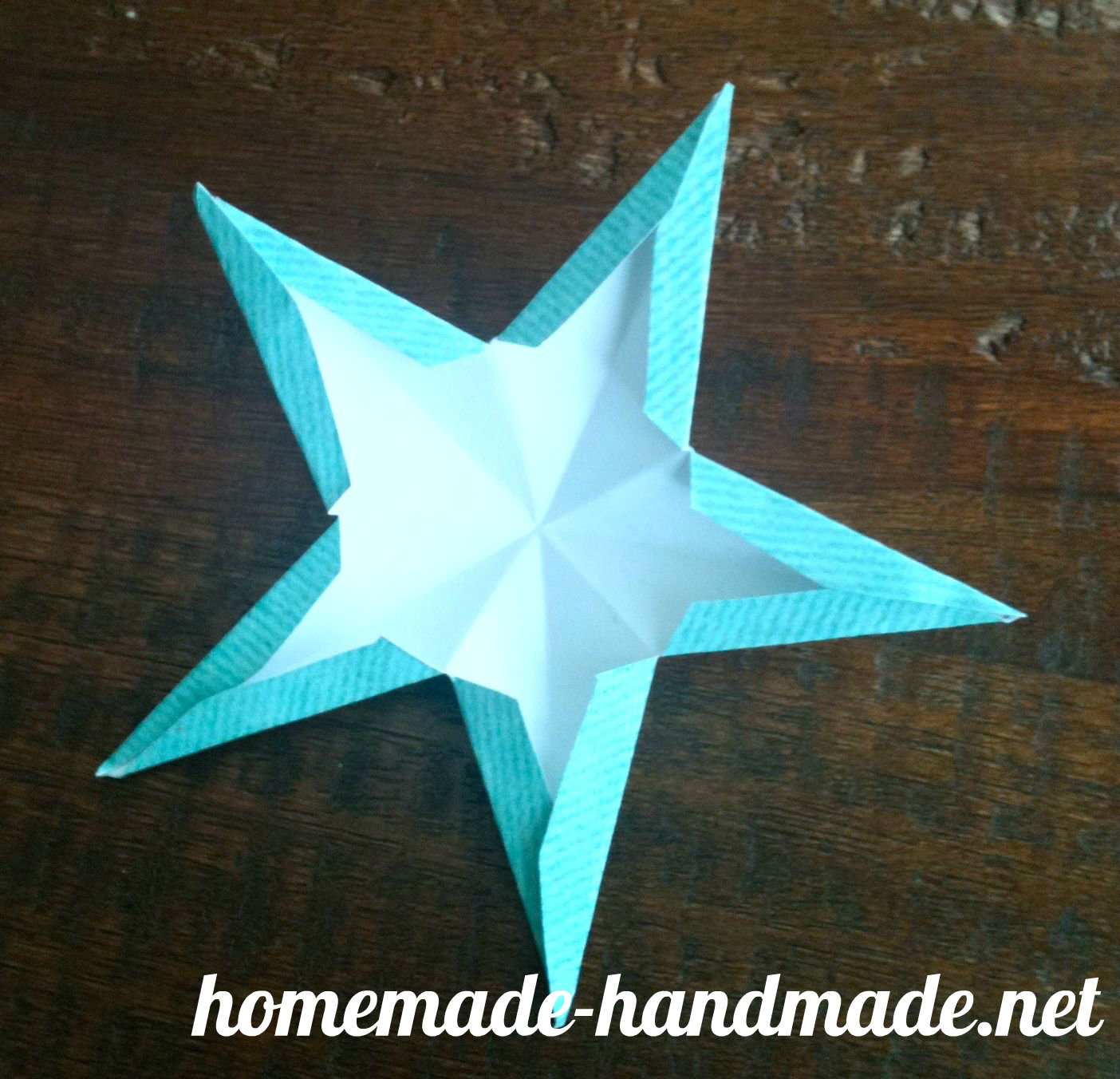
  8. Now you’ll need to cut a small notch on every inside point to make the folding flaps. Look at your template to see how large this flap needs to be—it’s the distance from the outside of the template to the inner point on the inside set of lines. Cut the notches on all inside points.
  9. Fold each flap in from the notch to the tip of the outside point.
  10. Repeat with the other star, and figure out which points best match each other when they are help inside-to-inside.
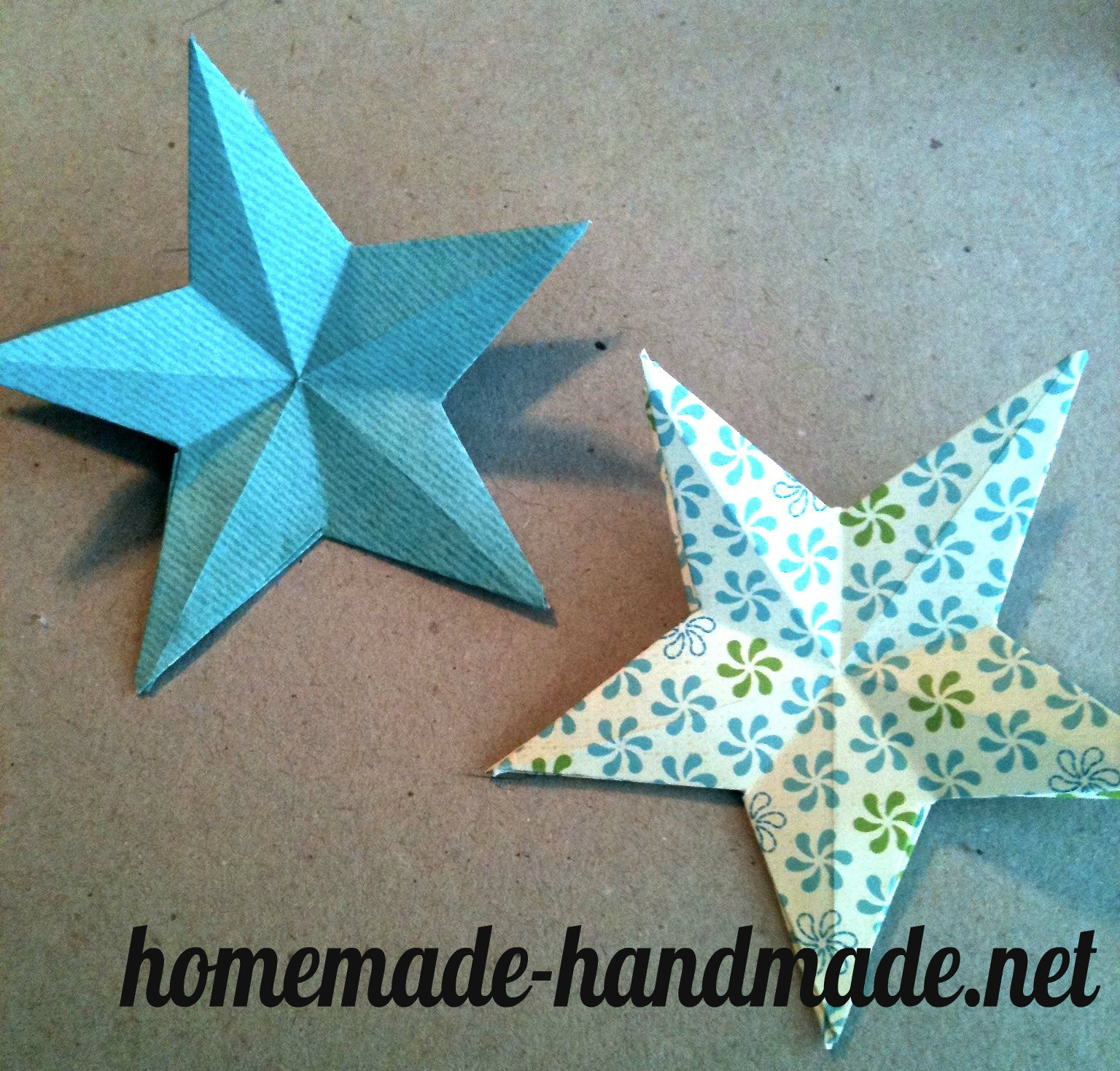
  11. Place glue on the flaps of two adjacent points, and firmly press the two star halves together along the glue line. It doesn’t matter if you flatten the stars at this point.
  12. When the glue is dry, gently pop the stars back into their 3D shape, and add glue along two more edges. Be more gentle as you press these edges together—the more edges that are glued, the more difficult it is to pop the star back into shape.
  13. Glue the final edges together and gently press together–by this time, the shape of the star itself should help hold it together.

As you create more stars, you’ll get better at folding evenly, and you’ll discover your own technique for gluing.

{Mary adds:}

{I made a mobile for a coworker with a new baby using the star template, and it turned out awesome. Non-directions here–at the end.}

Have you ever made something cool just to prove you could?

Ice cream! With fresh cherries! And booze!

A few years ago, my awesome former roommate got me an ice cream maker for my birthday or Christmas. I LOVE ice cream. It’s my all-time favorite food. But I don’t make it from scratch that often…and after this week I remember why—it takes a good chunk of time. Making ice cream is a two or three day process. Luckily, the results are usually worth the wait.

I always store my ice cream maker cylinder in the freezer, so it’s ready to go when I want to make some (otherwise it’s an additional 24-hour wait while it freezes). I had some very ripe cherries in the fridge that needed to be turned into something, so when I found this recipe by Apple a Day, it sounded perfect.

It took one evening to make the custard base and prep the cherries. The next evening, I took it out of the fridge and churned it in the ice cream maker. Then it took another day to freeze through. But we tried it last night—and it was fabulous!

Cherry Bourbon Ice Cream (adapted from Apple a Day)

  • 1 pint whipping or heavy cream
  • 1 cup milk
  • 1 1/4 cup sugar, divided
  • 6 egg yolks
  • 1/2 teaspoon vanilla extract
  • 1 lb. fresh cherries, pitted and halved (I used a dark red variety)
  • 1 teaspoon fresh lemon juice
  • 5 tablespoon bourbon, divided
  1. In a large saucepan, combine the egg yolks and 3/4 cup of the sugar, whisking together until blended. Set aside.
  2. Mix the cream and milk in a saucepan. Heat on medium, stirring occasionally, until it starts to steam (about 5 minutes).
  3. Gradually add the hot cream to the egg mixture, whisking constantly so the eggs don’t cook. Heat the mixture on medium, stirring constantly until the mixture thickens enough to coat the spoon or spatula and you can see a trail if you run a finger down it. (About 7-9 minutes) Don’t let the custard boil.
  4. Place a mesh sieve over a clean, heat-proof bowl, and pour the custard through. Stir in the vanilla.
  5. Place the custard bowl in a larger bowl and fill the large bowl with enough ice water to be level with or above the custard level. (This is to cool the custard consistently.) Allow the custard to cool to room temperature—it may take up to an hour.
  6. In a saucepan, mix the remaining 1/2 cup sugar, the cherries, and 2 tablespoons of the bourbon over medium-high heat. Bring to a low simmer and cook until the cherries have expelled their juices and softened, and the liquid has begun to thicken (about 10 minutes). Strain the cherries, reserving the liquid. You might have anywhere from 1/2 to 1 cup liquid.
  7. In a small bowl, mix the cherries with the lemon juice and remaining 3 tablespoons of bourbon. Let everything cool to room temperature, then mix the cherry liquid into the custard, and put the custard and the cherries in the refrigerator over night.
  8. Set up your ice cream maker and churn/freeze the custard according to your maker’s instructions, adding the cherries in the last 5-10 minutes of churning. Since I don’t have air conditioning in my kitchen, it took almost 40 minutes for my custard to freeze to a nice slushy state, which is when I added the cherries.
  9. Transfer the ice cream to a freezer-proof container (I used an 8-cup Glad freezer container), and freeze until set—probably at least 4 hours.
  10. Enjoy!

Framing artwork

So Mary and I had our typical reunion weekend: We got our DIY on.

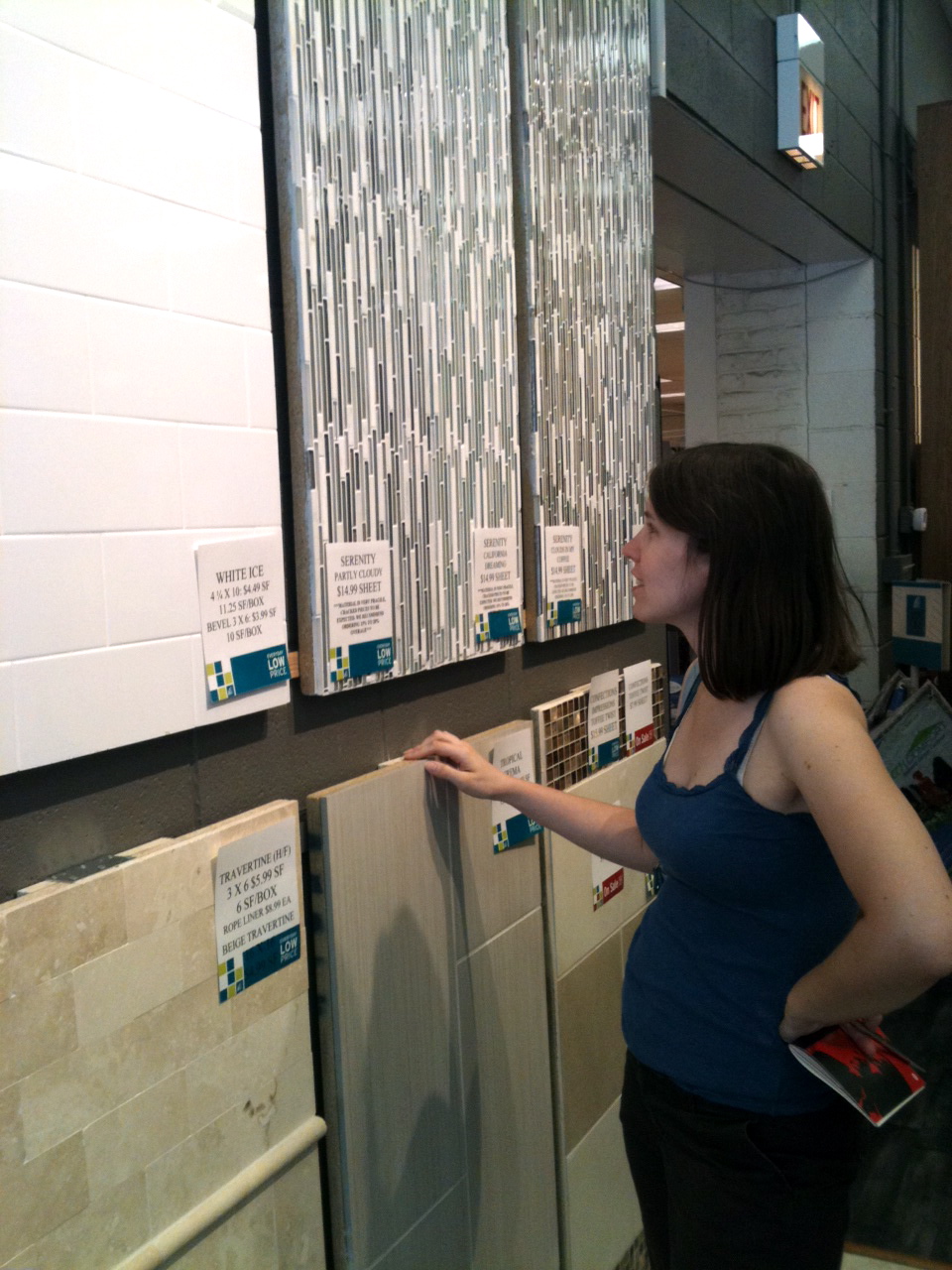
We spent some time talking about her bathroom and even went tile shopping.

And we spent a long, long time learning that navy blue looks very Americana on large pieces of furniture, rather than blue-black.

And we had some fun at the World’s Largest Block Party:

The lesson from this photo is: Don’t take a photo with your back to the sun.

And I had some great success frame shopping!

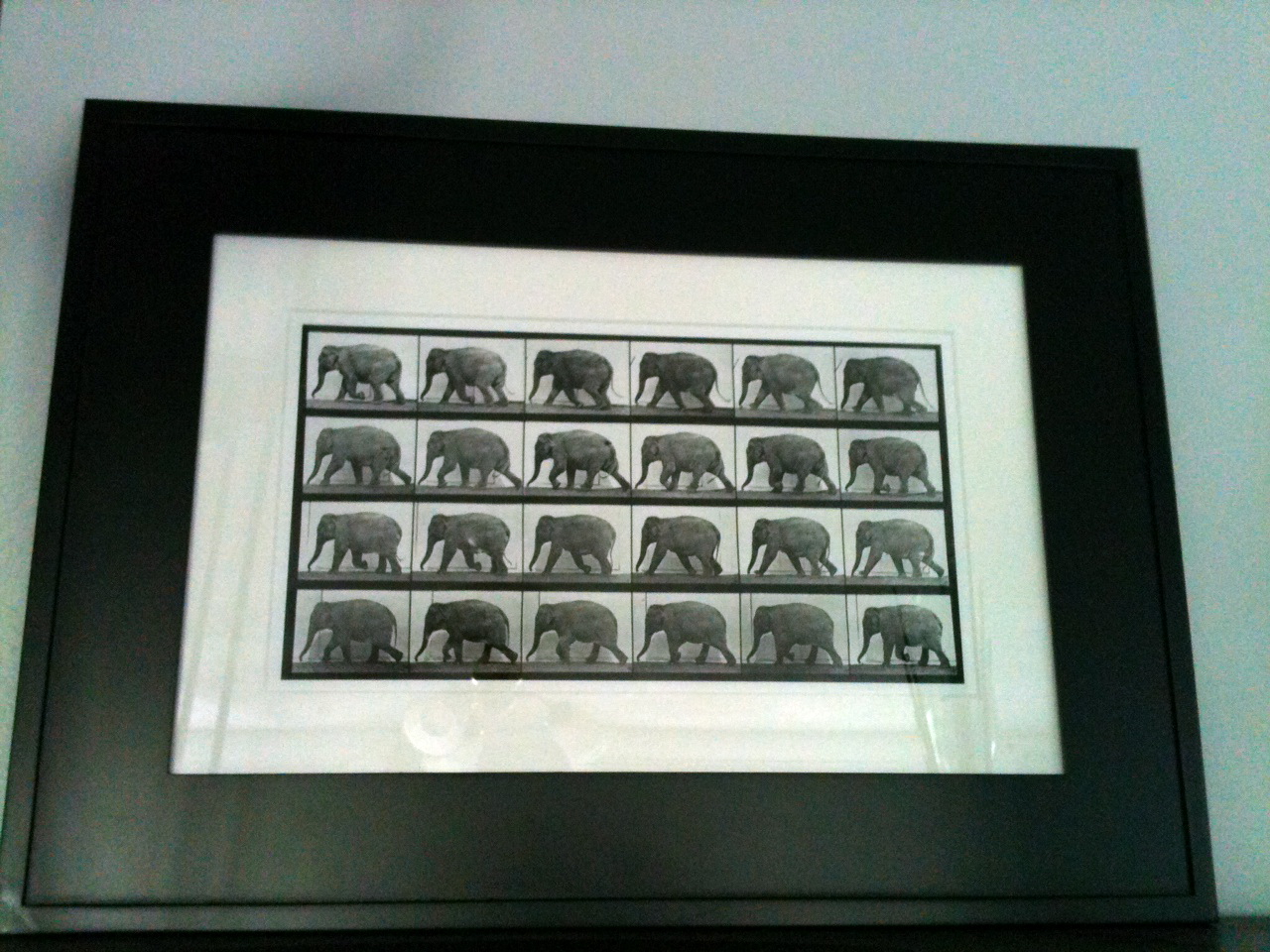
Over the last few months I’ve purchased two reprints of historical photos (from 20×200.com) A colorized photo of Paris during the 1890 World’s Fair and an early motion-photography series of an elephant walking. They both presented some framing challenges in that neither fit standard frame/matte size.

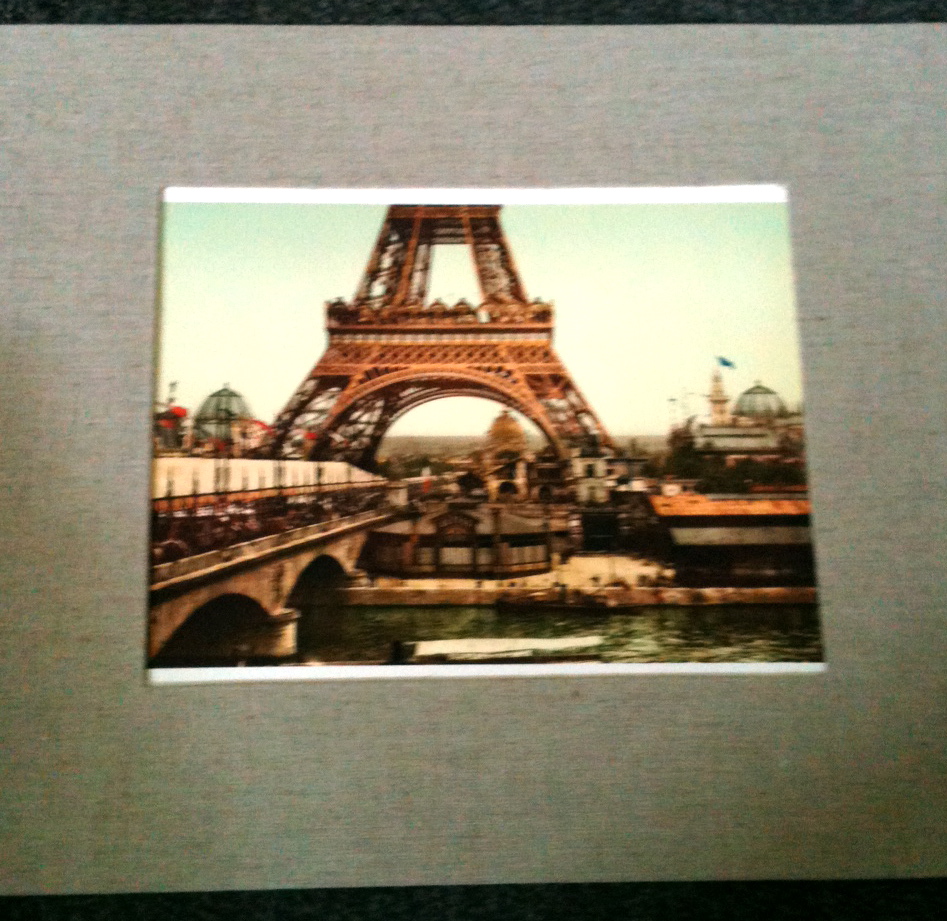
Let’s start with the Paris print. I found a frame that I loved at West Elm this weekend. I thought the neutral tones would look great with the old-timey sepia tones of the photo. But when I placed it under the matte, I saw this:

Big strips of white on the top and bottom.

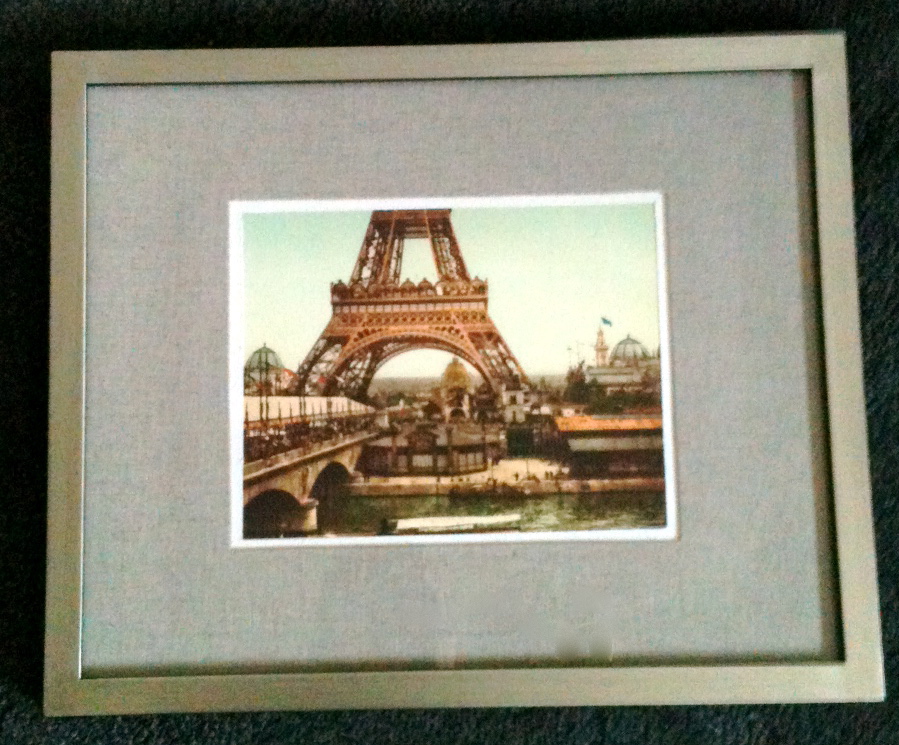
At first I was really bummed. I love this frame and picture together, but I couldn’t see how it could work without a new matte. Then I realized I could just take a craft knife to a sheet of nice paper and make a little window. So I searched through my paper collection and found a sheet of creamy watercolor paper. I used a light pencil to trace the inner edge of the matte onto the paper, then I measure just far enough in on each side to cover the white (I had to come in on the non-white sides too, so it would look even). Then I used the craft knife and a straight edge to cut out the inner rectangle. I’ll admit—it took me a few tries to get the corners perfect and all the lines straight, but look at the final result:

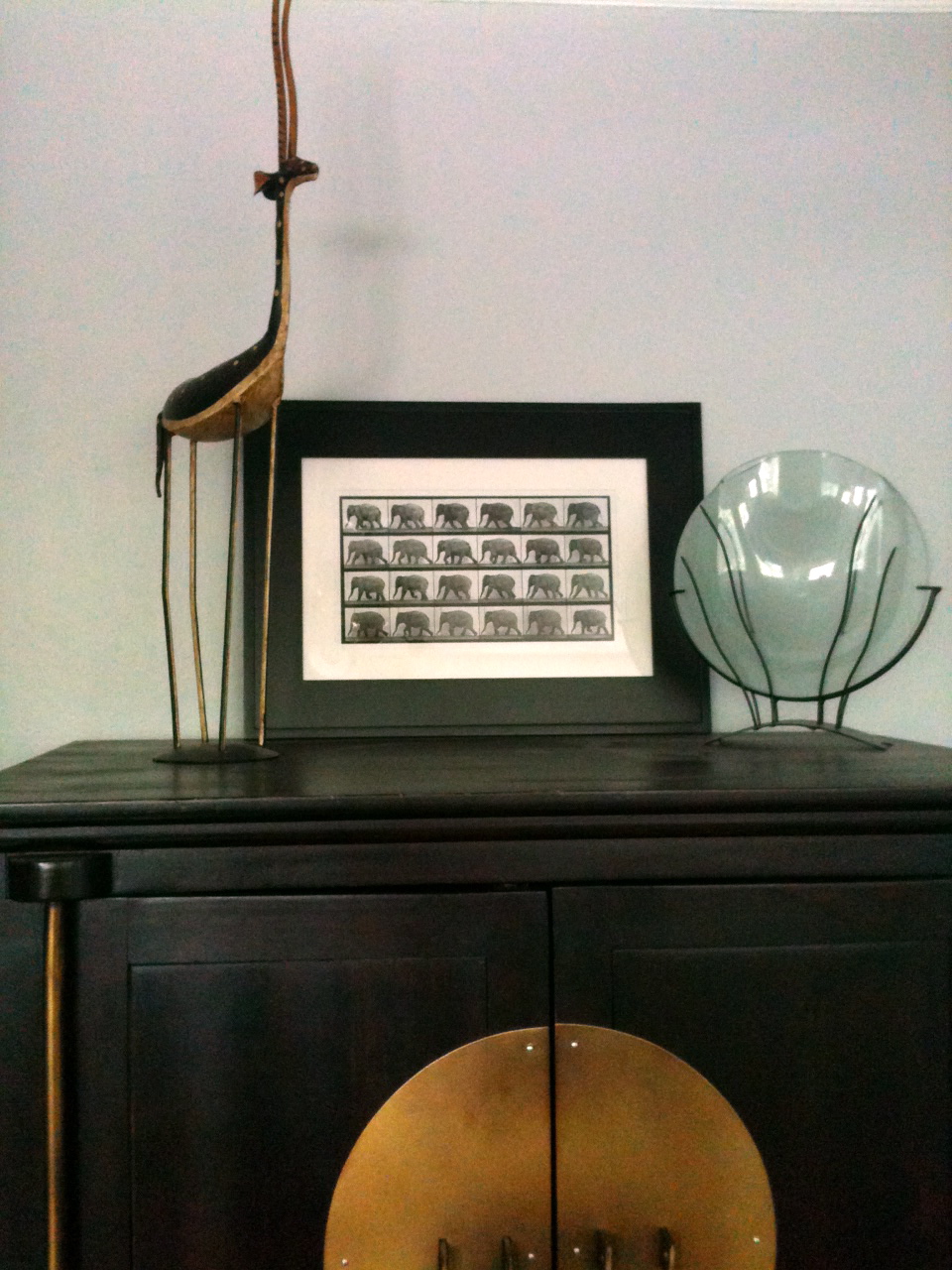
I had a similar issue with the elephant print—we found the perfect frame last time Mary visited me. It was just the right proportion to fit the image, but we couldn’t find a matte to match. So I had a custom matte cut at Michaels. We did have a little mishap with the first matte—it was even around the paper, not the image—but Michaels redid it for free, which was great! Here it is with the standard frame and custom matte:

Perfect fit!

Now my only dilemma is where to put them. Right now I just have them propped against the walls in different rooms, which works fine for the time being.

Cooking from a CSA, Part 7: Moving to a Half-Share

Two weeks ago my CSA’s spring share ended and I moved to a half share for summer. I’m kind of relieved (after all, you know I’ve been having trouble eating everything), but I already miss having a full fridge all the time.

20120623-161232.jpgI’ve made the most of my last two batches including a lemony risotto with sugar snap peas, asparagus, Swiss chard and fennel. While it was a nice blend of vegetables, it definitely wasn’t a recipe worth sharing. Way too lemony with nothing to balance it out. That’s what happens when you make up your own recipes and just throw stuff in a pot to see what happens—sometimes the results aren’t perfect, even if they’re pretty.

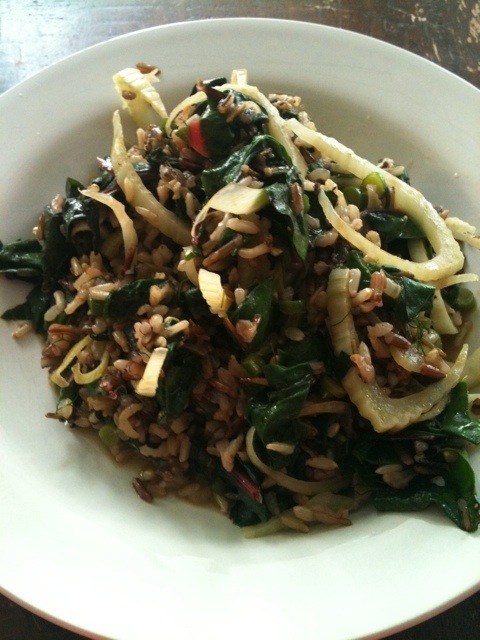
A more successful rice dish was thing one:

20120623-161446.jpg

This was another “throw stuff in a pot and see what happens” recipe, but I was delighted by the outcome—and it made great leftovers. I started with a bag of brown and wild rice blend (Lundberg Wild Blend) from the grocery store and cooked it according to the instructions with vegetable broth and a tablespoon of butter. There was still a bit of liquid when the rice was done, which ended up being a good thing because it coated the vegetables like a sauce and helped my leftovers heat up with out over-drying. (Dry crunchy rice leftovers = eew).

Brown and Wild Rice with Garlic Scapes, Fennel and Swiss Chard

  • 1 cup Lundberg’s Wild Blend
  • 2 cups vegetable broth (I used a can + water to make 2 cups)
  • 1 tablespoon butter
  • 1 tablespoon olive oil
  • 3 garlic scapes, finely sliced
  • 1 fennel bulb, ends removed, finely sliced (I also removed the very solid pieces of the core)
  • 1 bunch Swiss Chard, ribs removed, cut in 1-in. ribbons
  • salt
  • pepper
  • thyme
  • cumin

1. Cook the rice according to package instructions (in this case, bring veggie broth, butter, and rice to a boil, cover, and reduce heat to low to simmer for 40-50 minutes).

2. When there’s about 15 minutes left for the rice, begin to warm olive oil in a large sauté pan over medium-low heat. Add the garlic scapes and cook gently until just soft (about 5 minutes).

3. Increase the heat to medium, and add the sliced fennel. Season with salt, pepper, thyme and cumin to taste (I used a dash of the first three and was rather generous with the cumin). Cook until the fennel is tender, but not soft, about 5 minutes.

4. Add the chard ribbons to the saute pan, and cook until barely wilted. Check the rice and see if it’s done (as noted above, I went by texture, not amount of liquid). Add contents of rice pot to saute pan and stir together. Serve warm.

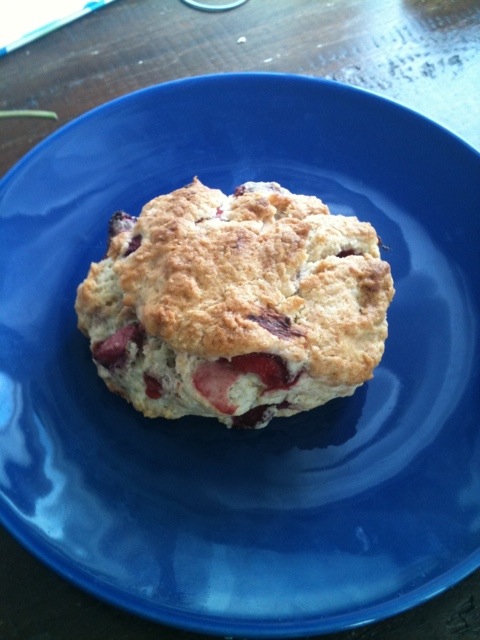
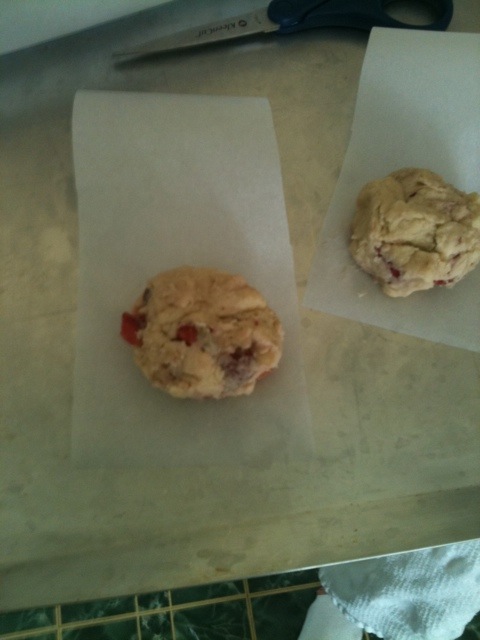
Unfortunately, my CSA suffered a huge strawberry crop failure this year, so I’ve only received two pints of fairly small and very ripe berries. They were perfect for baking and I made a double batch of Smitten Kitchen’s Strawberries and Cream Scones. They were wonderful right out of the oven:

20120623-161408.jpg

And they’ve also worked out well frozen. I simply shaped them, put them on individual pieces of parchment paper…

20120623-161309.jpg

…and thrown them in a freezer bag. Then I bake them according to the recipe instructions. This is a trick that I learned from Deb at Smitten Kitchen (she mentions it right in her recipes if you can make them ahead, which is fantastically helpful). Since scones are best right out of the oven, it’s nice to have a supply in the freezer!

20120623-161338.jpg

Cooking from a CSA, Part Six: What do I do with all these scraps and extras?

Let’s go back to the end of last week. You might remember that I was feeling a little discouraged because I didn’t get through all the vegetables and ended up throwing some stuff out. This week I again had the same problem—I just couldn’t get through everything, especially since I didn’t cook that much over Memorial Day weekend. I hate wasting food, and I’m throwing out a ton of ends and outer leaves that would be great for something like composting or juicing or making stock. So I sat back and looked at my options.

Composting is out, because I don’t have any use for compost or space to do it on the scale I require for the amount of scrap veggies I’m producing. I could keep scraps and take them out to my parents’ to compost there, but it seems kind of pointless, personally. If I did have a yard, or even a patio/balcony garden, this would be a great option.

I seriously considered buying a juicer this week. I must have read about thirty different juicer reviews and talked to a half dozen people about their juicers this week. I love fresh juice, and I actually did a modified juice/raw diet for about a week earlier this year—not really as a weight loss plan, but because I just felt lousy after all the junk I ate over the holidays, and it was a good way to cut myself off from the bad habits completely, give my system (which was feeling overtaxed) a break, and think carefully about everything I was eating. It helped me get my eating habits back on track. But I’m not considering it as a lifestyle change, and I normally like to eat my fruits and vegetables instead of drink them. Also, I would end up spending a lot of money on fruits and veggies to make ideal juice combos—I don’t get many fruits in my CSA box and I don’t like many straight vegetable juices. Plus, a quality juicer is pretty expensive and there are other items I’d rather buy (a nice digital camera springs immediately to mind!). So, a juicer an option I might consider in the future, but I’ve ruled it out for now.

So, for now, I’ve settled on making vegetable stock as the best option for my CSA leftovers and scraps. I actually started this week by throwing a bunch of my leftovers (mostly lettuce, radishes and other salad goodies) into a freezer-proof tupperware container and throwing it in the freezer. As the week goes on, I’ll add more scraps—and I should have great stock-making scraps this week, since I just received carrots, leeks, green garlic, and plenty of other great vegetables. It’s important to note that I’m only saving stuff that is still fresh and has been cleaned to the bin. No past-their-prime veggies—as Vegan Yum Yum points out here, that’s probably why many commercial veggie stocks taste so bland. Expect an update when I make the first batch.

Cooking from a CSA, Part 5: Three-Greens Pasta

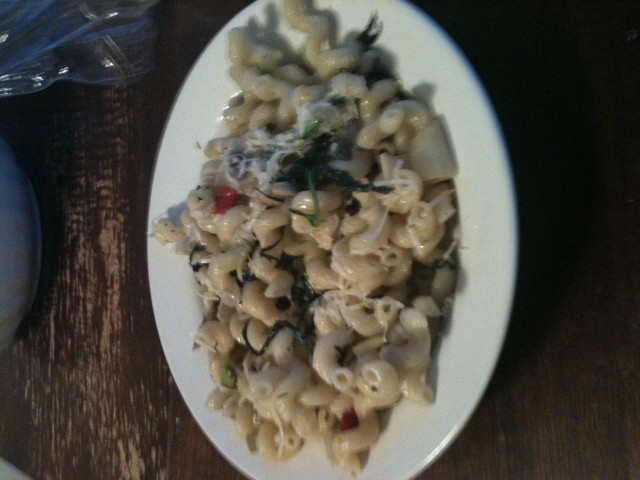
My favorite meal this week was born of necessity. I was one day away from the next CSA delivery and had a pile of vegetables left to use. One of the easiest ways to reduce a mass of greens is to cook it, so I cleaned three bunches of greens, added some turnips and veggie sausage, and tossed it with some pasta. Quick, easy, and really delicious. The variety of greens adds a lot of subtle flavor, and the veggies sausage (Yves Italian variety, I believe) added some nice spice.

Three-Greens Pasta

  • 1 lb pasta
  • 1 bunch spinach (washed, stems removed, sliced in 1-in. ribbons)
  • 1 bunch arugula (washed, stems removed, sliced in 1-in. ribbons)
  • 1 bunch Swiss chard (washed, stems removed, sliced in 1-in. ribbons)
  • 1 bunch turnips, scrubbed and cut into quarters
  • 2 links vegetarian sausage, sliced
  • 1 tbl. minced garlic
  • olive oil
  • salt, pepper, oregano, thyme (to taste)
  1. Put a large pot of water on to boil for the pasta. Cook the pasta as directed, but add the spinach and arugula for the last 2 minutes of cooking. Just pile it right on top of the pasta and water, and swirl it with a spoon. Then, drain the contents of the pot in a colander and put in a large serving bowl.
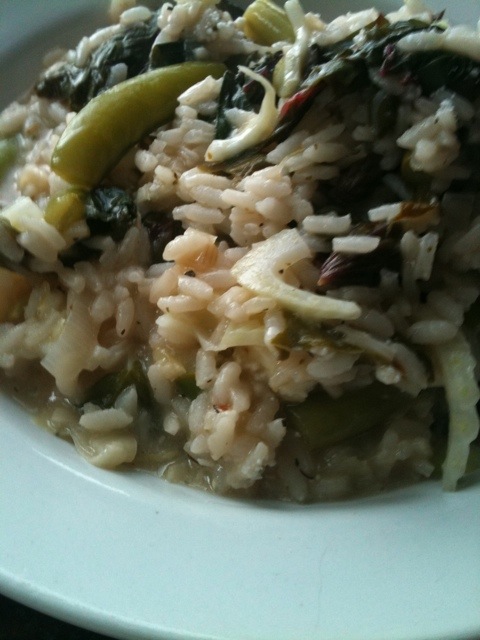
  2. While the pasta is cooking, heat olive oil in a large skillet on medium-high heat. Add the veggie sausage and turnips, and sauté for about five minutes, until contents start to lightly brown.
  3. Add chard, garlic and seasoning to the pan, and stir. Cook about 5 minutes, until chard is slightly wilted but still has some body. Remove from heat.
  4. Add sautéed ingredients to the pasta mixture, and stir. Serve immediately.

Cooking from a CSA, part 4: Making a really awesome cake instead of eating my veggies

The third week of the CSA was a bit of a failure. I got a TON of leafy greens: three heads of lettuce, multiple bags of spinach, mustard greens, and something I never successfully identified. This on top of asparagus, turnips, beets, and tomato puree. As I spent the entire weekend out of town*, I just couldn’t get through all of it. I should have planned ahead and given more away. Major failure to plan on my part. So I mostly, had salad this week and a veggie bake with greens, tomato puree, asparagus and turnips with quinoa (not that great, so I’m not going to share it). I am, however, going to share the fabulous cake I made.

My boss’s birthday was Friday, and she is a frosting lover (and a pretty great boss), so I made her a four-layer cake piled high with plenty of buttercream frosting. Here’s a picture of the cake after 45 minutes in the office:

White cake with buttercream frosting

Not the best photo, but the cake was pretty awesome. It was gone by 10 a.m. — my new record.

As Lisa had requested white cake with buttercream frosting, so I searched the internet for the best recipes for both white cake and buttercream frosting. I went with this recipe for cake and this recipe for frosting. The frosting recipe made a huge batch, but I cut each layer in half to make four layers, and was very generous with the frosting between layers, so it worked out perfectly. Rave reviews!
Cooking from a CSA, Part 3: Week 2 and Spring-time Saute

My second CSA box arrived with all kids of goodies:

Black Spanish and traditional red radishes

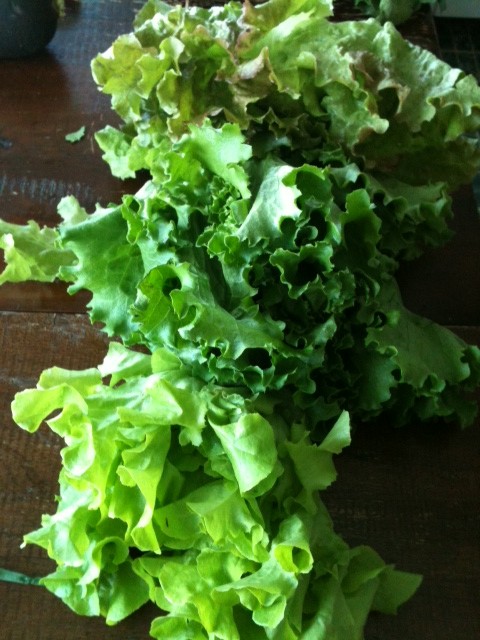
Three kinds of lettuce

Three kinds of beets

Aspargus

Leeks, green garlic, and scallions

I also received a bag of tomato puree and a 5 lb. bag of golden potatoes. Most of the this week’s goodies went into salads, and I made another pasta dish similar to last week’s, but with asparagus and leeks–oh, and I threw in pine nuts and a can of chopped clams–so good!

But my favorite thing this week turned out to be these:

Haruki Turnips

I’ve never been a fan of turnips, but when I got this adorable bunch of baby turnips, or haruki turnips as they are usually known, In my CSA box, I had to give them another try.

I started by turning to the Internet for help and found a few recipes for pasta with turnips and this recipe for gnocchi with turnips that served as my inspiration. (That gnocchi looks excellent and I have to go back and try making that sometime).

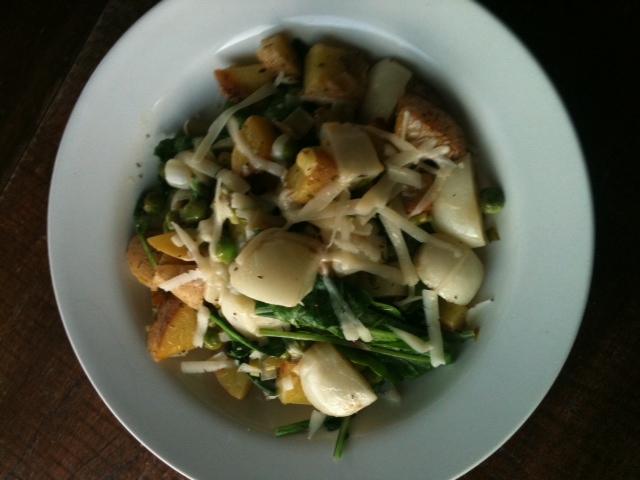
Using only what I had on hand from my latest CSA box, I whipped up a quick buttery sauté that totally turned me around on turnips! I hope I get another bunch in the box soon.

Springtime Sauté with Turnips and Potatoes

  • 2 small to medium potatoes
  • 1 bunch baby turnips, including greens
  • 1 small leek
  • 2 green garlic stalks
  • oregano
  • thyme
  • salt and pepper
  • 1 tablespoon olive oil
  • 1 tablespoon butter
  • Parmesan (optional)

1. First, wash all the vegetables, taking extra care to scrub the potatoes with a brush. Dice the potatoes (skin on), and slice the leek and green garlic into thin rings. Throw the rings in a colander and give them a good wash. Remove the greens from the turnips and cut the turnips into quarters. Remove the long stems from the greens and cut the leaves into 1-in. wide strips.

2. Heat the olive oil and butter on the stove on medium-high heat, until the butter is melted. Add the potatoes and cook, stirring occasionally, until just starting to brown–about 5 minutes. Throw in the leeks and green garlic and cook about 2 min., until they just start to loosen up. Add a sprinkling of oregano, thyme, salt and pepper.

3. Add the turnips and cook about 5 minutes, stirring frequently.

4. Add the turnip greens and cook until just wilted.

Voilá. Serve in a bowl and top with grated cheese if desired.

Cooking from a CSA, Part 2: Week 1 Wrap-Up

My first week with the CSA was pretty much as success, except for one thing: Many of the greens wilted before I had a chance to eat them. Luckily, the CSA-blogging community (who knew such a wondrous resource existed?) came to my rescue and suggested that I bag the next batch to keep moisture in. There is a great CSA link party every week, hosted by In Her Chucks, which you can find here. It’s a great way to find other people writing about CSAs.

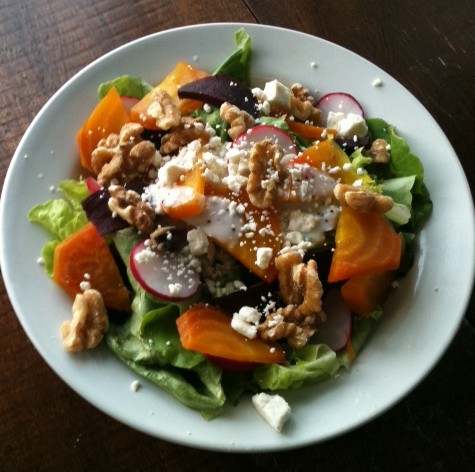
I made a number of  salads and sandwiches, but my two favorite dishes from the week were a great pasta with leeks, green garlic, red peppers, mustard greens, and mushrooms (I bought the mushrooms, but every thing else came from the box), and a beautiful salad with two types of beets (roasted in the oven at 300 for a few hours, then left in the fridge overnight to cool), lettuce, radishes, scallions, walnuts, and feta.